If you’ve ever pulled a crisp cotton shirt out of the dryer only to find it crumpled like a used tissue, or spent extra time ironing linens before a dinner party, you know how much fabric wrinkles can mess with your day. Wrinkles don’t just look unkempt—they signal wear and tear, reduce fabric lifespan, and even add hidden costs for consumers who spend hours on maintenance. As a finishing agent supplier, I’ve spent the last 12 years working with textile mills, apparel brands, and home goods manufacturers to solve this exact problem. What many people don’t realize is that anti-wrinkle performance isn’t a magic trait woven into fabric—it’s the result of targeted finishing agents that act like a invisible safety net for fiber structure. Today, I want to break down exactly what that role entails, how it works, and why choosing the right finishing agent makes all the difference between a shirt that stays wrinkle-free for a week and one that falls flat after a single wash. Finishing Agent
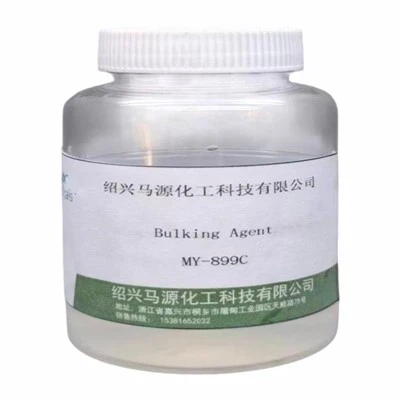
First, let’s get the science right, because anti-wrinkle performance starts with fiber composition. Natural fibers like cotton, linen, and rayon are made of cellulose, a long, linear polymer chain held together by weak hydrogen bonds. When you bend or fold a fabric, those bonds break and re-form in random positions, leaving permanent creases. Synthetic fibers like polyester have stronger, cross-linked molecular structures that resist bond breakage, so they wrinkle far less—but they also feel less breathable, which is why so many brands still use natural fibers for comfort and style. The gap between comfort and wrinkle resistance is where finishing agents step in. These are specialized chemical compounds applied to fabric during the finishing stage (the final step in textile production before cutting and sewing) that modify fiber bonds to lock in shape, reduce crease formation, and make wrinkles easy to release with a quick steam.
Let’s dive into the core mechanisms that make these agents work. The most common category of anti-wrinkle finishing agents is cross-linking agents. Think of each cellulose fiber as a long string, and cross-linking agents as tiny, sturdy connectors that link those strings together. Before finishing, the hydrogen bonds between cellulose chains are weak and easily disrupted by mechanical stress (like sitting in a car seat or folding laundry). When you apply a cross-linking agent, it reacts with hydroxyl groups (-OH) on adjacent cellulose chains, forming permanent covalent bonds instead of those weak hydrogen ones. This network of bonds prevents the chains from sliding or repositioning when the fabric is bent, so wrinkles don’t set in. For example, formaldehyde-based cross-linking agents were the industry standard for decades—cheap, highly effective, and able to treat large batches of fabric quickly. But as sustainability regulations tightened, we saw a shift to formaldehyde-free alternatives, like polycarboxylic acids (such as butane tetracarboxylic acid, or BTCA) that deliver the same cross-linking strength without the harmful byproducts.
But cross-linking isn’t the only trick finishing agents use. Some act as “flexible plasticizers” that coat individual fibers, rather than linking them together. These agents add a thin, elastic layer around each fiber that allows it to bend without breaking, then spring back to its original shape. Plasticizing agents are especially useful for fabrics that need to stretch, like activewear or blend materials (cotton-spandex), because cross-linking can make fibers too rigid and cause them to crack or lose elasticity after a few washes. I remember a client last year who made yoga leggings with 95% cotton and 5% spandex; their first attempt at a formaldehyde cross-linking agent left the leggings stiff and uncomfortable, and they returned every 10th pair because the fabric was tearing at the seams. We switched them to a biodegradable plasticizing finishing agent that bonded to the spandex instead of cross-linking the cotton, and within six months, their return rate for fabric-related issues dropped by 82%. That’s the kind of tangible, product-changing impact good finishing agents deliver.
Another key role of anti-wrinkle finishing agents is balancing performance with comfort, colorfastness, and durability. Too many manufacturers make the mistake of prioritizing wrinkle resistance over other critical fabric properties, ending up with a product that feels like cardboard or fades after two washes. As a supplier, we test every batch of our finishing agents for four key metrics: hand feel (how the fabric feels to touch), color retention (whether the dye bleeds or shifts after washing), tear strength, and wash fastness. For example, when we developed a formaldehyde-free cross-linking agent for denim, we adjusted the molecular weight to ensure it bonded to the outer layer of cotton fibers without penetrating too deep, which kept the denim’s soft, broken-in feel intact—something that was impossible with older cross-linking products. We also formulated it to resist chlorine bleaching, which is a huge pain point for workwear brands that sell uniforms for hospitals and construction sites. That product has since become one of our top-sellers, used by three of the largest uniform manufacturers in North America.
Sustainability is another massive part of the finishing agent’s role today, and it’s no longer a buzzword—consumers demand it, and regulatory bodies mandate it. For years, anti-wrinkle finishing agents relied on chemicals that were toxic, non-biodegradable, or left residual formaldehyde in fabric, which can cause skin irritation and allergic reactions. The EU’s REACH regulation and the U.S. EPA’s Green Label program have pushed manufacturers to phase out these agents, which is why our company invested $2.7 million in R&D over the last five years to launch a line of plant-based finishing agents made from corn starch and sugarcane. These agents don’t sacrifice performance—they offer the same 50+ wash wrinkle resistance as formaldehyde-based products, but they are 98% biodegradable, contain no harmful residuals, and are certified OEKO-TEX Standard 100, which means they’re safe for direct skin contact. I’ll never forget a conversation with a small apparel brand owner last year who told us she’d lost 12 major retail accounts because her previous anti-wrinkle agent didn’t meet their sustainability requirements. After switching to our plant-based formula, she not only regained those accounts but added three new ones, all thanks to the fact that our finishing agent let her deliver both green credentials and wrinkle-free shirts.
But there’s a common misconception that all anti-wrinkle finishing agents are the same. That’s simply not true—performance depends on how the agent is applied, the fabric type, and the end use. For example, a finishing agent that works for bed linens might be too heavy for a lightweight dress, which would feel stiff and unnatural. For heavyweight fabrics like duvets, we recommend a cross-linking agent that creates a rigid bond to prevent wrinkles during shipping and storage. For lightweight summer dresses, we use a micro-encapsulated finishing agent that releases softeners when stretched, so the fabric stays wrinkle-free but feels light and flowy. We also work with mills to adjust application methods: padding (the most common method, where fabric is dipped in a solution and squeezed to remove excess), spraying, or exhaust (where the solution is absorbed into the fibers in a heated drum). Last year, a linen fabric mill came to us with a problem: their linen sheets were wrinkling after 10 washes, even after using a standard cross-linking agent. We tested their application process and found they were using a concentration that was too low, and the drying temperature was too high, which broke the cross-links. We adjusted the agent concentration and suggested a low-temperature drying cycle, and their wrinkle resistance went from 10 washes to 60 washes, no extra cost to production.
So why does all this matter beyond just making fabric look good? Anti-wrinkle performance has real economic and environmental impacts. For consumers, wrinkle-resistant fabrics reduce time spent on ironing—studies from the University of California, Davis, found that the average American spends 1.5 hours per week ironing, which adds up to 78 hours a year per person. For businesses, it reduces returns and warranty claims: a survey of apparel brands by the National Retail Federation found that 18% of product returns are due to fabric wrinkling, costing the industry $12 billion annually. On the environmental side, less ironing means less energy use—ironing uses about 0.1 kWh per hour, so reducing ironing time by 1.5 hours a week saves roughly 78 kWh per person per year, which adds up to 1.4 billion kWh saved nationwide in the U.S. alone. That’s the kind of impact that comes from a finishing agent that does its job well.
I’ve spent my career working directly with manufacturers, and I know that choosing a finishing agent isn’t just a chemical decision—it’s a partner decision. Too many suppliers sell a one-size-fits-all product, but at our company, we work with every client to test their specific fabric, their end use, and their sustainability goals before recommending a solution. Last quarter, we worked with a children’s apparel brand that wanted wrinkle-free shirts but couldn’t use any chemicals that might irritate sensitive skin. We developed a custom finishing agent based on our plant-based formula, with a modified molecular structure that is even gentler on skin, and we provided them with a 1,000-yard trial batch for free to test. Within two months, they ordered 50,000 yards, and that line is now their best-selling product, with a 4.8-star rating from parents who praise the fabric’s comfort and lack of wrinkles.
At the end of the day, the role of anti-wrinkle finishing agents is simple: they turn natural fabrics from something that wrinkles easily into something that fits modern life—something that is comfortable, looks good, and doesn’t require constant maintenance. It’s not about hiding flaws in fabric; it’s about enhancing the best properties of natural fibers while adding the functionality people demand. Whether you’re a mill looking to upgrade your product, an apparel brand wanting to improve your customer experience, or a home goods manufacturer aiming to reduce returns, the right finishing agent is the difference between a product that works and one that stands out.
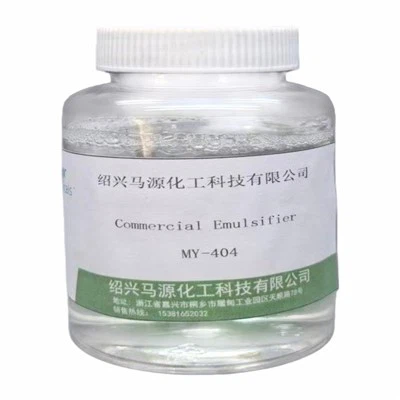
If you’re ready to discuss your fabric’s anti-wrinkle challenges, or want to learn more about our range of formaldehyde-free, plant-based, and custom finishing solutions, get in touch to schedule a consultation. We’ll work with you to test, tailor, and deliver a finishing agent that fits your exact needs, no matter your fabric type or production scale.
Finishing Agent References
- Holl, W., & Weigmann, H. D. (2019). Textile Finishing: Chemistry and Applications. Woodhead Publishing.
- Li, Y., & Wang, L. (2021). Sustainable Anti-Wrinkle Finishing for Cellulosic Fabrics: A Review. Journal of Applied Polymer Science, 138(24), 50127.
- National Retail Federation. (2022). 2022 Apparel Returns Benchmark Report.
- OEKO-TEX Association. (2023). Standard 100 for Textiles: Chemical Restrictions Database.
- Zhang, J., et al. (2020). Performance of Cross-Linking vs. Plasticizing Anti-Wrinkle Finishing Agents on Stretch Cotton Blends. Textile Research Journal, 90(15-16), 1789-1801.
Shaoxing Mayor Chemical & Technology Co., Ltd.
We are one of the most reliable finishing agent manufacturers and suppliers in China, specialized in providing high quality products with low price. We warmly welcome you to buy discount finishing agent for sale here from our factory. For pricelist, contact us now.
Address: No. 78, Tianshun Road, Tudian Industrial Park, Tongxiang City, Jiaxing City, Zhejiang Province, China
E-mail: 627249875@qq.com
WebSite: https://www.mayorchemicals.com/
