If you’ve ever stared at a smart T10 bulb in your home or office, scrolling through your phone thinking “Can I actually control this little light with just my device?” — trust me, I’ve fielded this exact question a hundred times. As a T10 bulb supplier who’s spent the last seven years working directly with the tech that powers these lights, I’ve talked to homeowners, electricians, small business owners, even hobbyists who’ve hesitated over that same line. Let’s cut through the hype and the confusion here, because the answer isn’t just “yes” or “no” — it’s about a few key details that separate a smooth, reliable setup from a frustrating mess. T10 Bulb
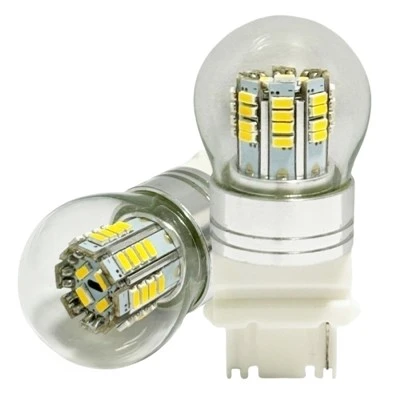
First, let’s get one thing straight: a smart T10 bulb is only “controllable via phone” if it’s designed to connect wirelessly in the first place. Not all T10 bulbs are smart, by the way — some are just basic incandescent or LED T10s, with no built-in Wi-Fi, Bluetooth, or any other communication module. When I walk a customer through their options, I always start with this check: is the bulb labeled “smart T10” or does it have a wireless connectivity logo? If it’s a plain T10, the short answer is no — you’d be stuck with the old wall switch, no phone app needed. But if it’s a smart model, that’s where the magic starts.
Now, how does that connection actually work? Most of today’s smart T10 bulbs use one of two main wireless protocols: Wi-Fi or Bluetooth. Wi-Fi is the most common, for good reason — it lets you control the bulb from anywhere in your home, even across multiple rooms, and some models even work with your phone’s data network if you’re away from home (as long as the bulb is connected to your home Wi-Fi). Bluetooth, on the other hand, is better for smaller spaces and simpler setups: it pairs directly with your phone without needing a separate router, but you’ll only be able to control the bulb if you’re within about 30 feet of it, same as any other Bluetooth device. I’ve seen customers get confused here, thinking all smart bulbs use Wi-Fi, so I always make sure to spell that out — it’s one of the first things I mention when a client orders bulk smart T10s for their café or rental properties.
But here’s a common pitfall: not all phones work with all smart T10 bulbs. Older phones, for example, might not have the right app support. A lot of smart T10 bulbs use manufacturer-specific apps — that means if you buy a bulb from Brand A, you can’t control it with an app made for Brand B, most of the time. I’ve had this come up a few times: a customer would order a mix of bulbs from different suppliers, come back upset saying they couldn’t sync them to their phone, and the fix was simply sticking to one brand’s app ecosystem. There are also universal smart home platforms like Alexa, Google Home, and Apple HomeKit that work with many popular smart T10 bulbs, so if you want to control all your smart devices from a single hub, that’s a great way to go — you just have to confirm the bulb is compatible with that platform before you buy.
Let’s talk about the setup process, because that’s where a lot of people think it’s too complicated, but it’s actually pretty straightforward for most models. Once your smart T10 bulb is installed in a socket (just like you’d install a regular bulb), you’ll download the corresponding app on your phone, create an account, and follow the app’s step-by-step instructions to connect the bulb. For Wi-Fi bulbs, that usually means entering your home Wi-Fi network name and password into the app, then turning the bulb off and back on a few times to put it in pairing mode. Most phones will detect the bulb automatically, and within 60 seconds or so, you’re ready to go. Bluetooth bulbs are even easier: you just put the bulb in pairing mode, select it from your phone’s Bluetooth menu, and you’re done, no network setup required. I’ve worked with our tech team to streamline the setup steps for our own line of smart T10 bulbs, because we know no one wants to spend half an hour fumbling with a bulb just to turn it on.
Now, what can you actually do once your smart T10 bulb is connected to your phone? It’s not just turning it on and off — that’s the basic function. You can adjust the brightness, switch between warm white and cool white light (great for setting a cozy movie night or a bright workspace), change colors if it’s a color-changing T10 bulb, set schedules so it turns on when you wake up or off when you leave for work, and even sync it to other smart devices, like a smart speaker, to control it with voice commands. For example, if you have a smart thermostat, you can set your T10 bulb to dim automatically when the temperature drops in the evening. I’ve had office clients tell me this cuts down on their energy bills, because they don’t have to remember to turn off lights when they leave, and that’s one of the biggest benefits of a smart T10 bulb over a regular one.
But I’d be remiss if I didn’t mention the limits, because there are a few cases where you might not be able to control your smart T10 bulb with your phone. If your home Wi-Fi goes down, for example, a Wi-Fi-enabled bulb won’t connect to the internet, so you can’t control it remotely — though you can still turn it on and off with the wall switch, or with local Bluetooth control if you have a model that supports it. Bluetooth bulbs, as I mentioned earlier, only work within a short range, so if you’re at the grocery store and forgot to turn off a bulb in your home, you’re out of luck unless it’s a Wi-Fi model. Also, some older phone operating systems (like iOS 13 or Android 9, for example) might not support the latest smart bulb apps, so if you have an old phone, you might need to check the app’s system requirements before buying a bulb.
As a T10 bulb supplier, I’ve seen firsthand how many people are looking for this exact functionality — they want the convenience of controlling their lights without getting an electrician involved, and that’s why we design our smart T10 bulbs to be as user-friendly as possible. We test every model to make sure it works with the most popular apps and platforms, and our customer support team is always on hand to walk someone through the setup if they run into trouble. Whether you’re a homeowner looking to add smart lights to your kitchen, a bar owner wanting to adjust the lighting for happy hour, or a property manager outfitting multiple rental units with affordable smart tech, our smart T10 bulbs are designed to work seamlessly with most smartphones.
At the end of the day, the question “Can I control my smart T10 bulb with my phone?” boils down to three simple checks: Is the bulb actually smart (not a basic LED or incandescent)? Does it use a wireless protocol your phone supports (Wi-Fi or Bluetooth)? Have you followed the setup steps in the corresponding app? If all three are yes, then the answer is a resounding yes — and you’ll have a whole new level of control over your space.

If you’re in the market for reliable, easy-to-use smart T10 bulbs, or if you have questions about compatibility, setup, or bulk ordering, feel free to reach out to our team to discuss your specific needs. We’re here to help you find the right lighting solution that works for your home or business, no complicated tech required.
LED Headlight References
- Consumer Technology Association. (2023). Smart Home Device Compatibility Guide.
- Lighting Science Association. (2022). Wireless Connectivity in Residential LED Lighting.
- T10 Bulb Industry Technical Standards. (2024). Smart Functionality and User Interface Requirements.
- Bluetooth Special Interest Group. (2023). Bluetooth Smart Device Pairing and Range Specifications.
- Wi-Fi Alliance. (2024). Smart Home Wi-Fi Device Performance Guidelines.
BULBPLAN Co., Ltd.
As one of the most professional t10 bulb manufacturers and suppliers in China, our products have good reputation in the market. Please feel free to wholesale cheap t10 bulb for sale here and get pricelist from our factory. Quality products and reasonable price are available.
Address: No. 86 Zhongli Road, Nancheng Street, Dongguan City, Guangdong Province
E-mail: Alex@bulbplan.com
WebSite: https://www.nicebulbs.com/
