In today’s environmentally conscious world, the topic of recycling has taken center stage, and water bottles are a significant part of this narrative. As a supplier in the recycling water bottles industry, I often get asked the question: Are all types of water bottles recyclable? This blog post aims to delve deep into this question, exploring the various types of water bottles, their recyclability, and the implications for our environment and the recycling industry. Recycling Water Bottles
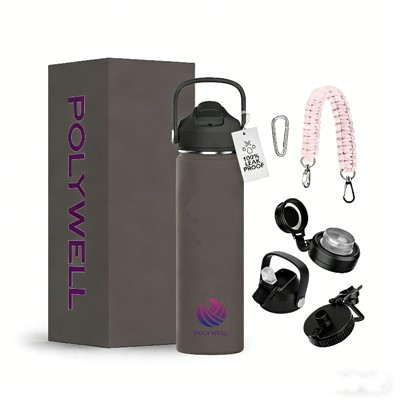
Types of Water Bottles and Their Materials
Plastic Water Bottles
Plastic water bottles are the most common type found on the market. They are typically made from one of the following plastics:
- PET (Polyethylene Terephthalate): PET is the most widely used plastic for water bottles. It is lightweight, strong, and has good barrier properties to keep water fresh. Most recycling programs accept PET bottles, as they can be easily recycled into new bottles, fibers for clothing, or other plastic products. The recycling symbol for PET is a number 1 inside a triangle.
- HDPE (High – Density Polyethylene): HDPE is another type of plastic used for water bottles, especially for larger containers. It is known for its durability and resistance to chemicals. HDPE is also recyclable, and it is often recycled into items such as plastic lumber, pipes, and new HDPE containers. The recycling symbol for HDPE is a number 2 inside a triangle.
- Other Plastics: Some water bottles are made from less common plastics such as PVC (Polyvinyl Chloride), LDPE (Low – Density Polyethylene), and PP (Polypropylene). PVC is not commonly recycled due to the presence of chlorine and other additives, which can make the recycling process more complicated and environmentally harmful. LDPE and PP are recyclable, but they may not be accepted in all recycling programs. The recycling symbols for PVC, LDPE, and PP are numbers 3, 4, and 5 respectively inside a triangle.
Glass Water Bottles
Glass water bottles have been around for a long time and are known for their durability and the fact that they do not leach chemicals into the water. Glass is 100% recyclable and can be recycled infinitely without losing its quality. When glass bottles are recycled, they are crushed into cullet, which is then melted and used to make new glass products. The recycling process for glass is energy – intensive but has a significant environmental benefit as it reduces the need for virgin materials.
Stainless Steel Water Bottles
Stainless steel water bottles are a popular choice for those looking for a reusable and durable option. Stainless steel is highly recyclable, and the recycling process involves melting the steel and reforming it into new products. Recycling stainless steel helps conserve natural resources and reduces energy consumption compared to producing steel from raw materials.
Factors Affecting Water Bottle Recyclability
Geographic Location
The recyclability of water bottles can vary depending on where you live. Different municipalities and recycling facilities have different capabilities and acceptance criteria for various types of materials. For example, some areas may have advanced sorting and recycling technologies that can handle a wide range of plastics, while others may only accept PET and HDPE bottles. It is important to check with your local recycling program to understand what types of water bottles they accept.
Contamination
Contamination is a major issue in the recycling process. If a water bottle is not properly cleaned before recycling, it can contaminate other recyclable materials and make the entire batch less valuable or even non – recyclable. For example, if a plastic bottle still contains a significant amount of liquid or food residue, it can cause problems in the sorting and processing equipment at the recycling facility. It is crucial to rinse out water bottles thoroughly before placing them in the recycling bin.
Design and Composition
The design and composition of water bottles can also affect their recyclability. Some bottles have complex designs with multiple layers or components made from different materials, which can make them difficult to recycle. For example, a water bottle with a plastic label and a metal cap may require additional processing steps to separate the different materials. Additionally, some bottles may be coated with special substances that can interfere with the recycling process.
The Importance of Recycling Water Bottles
Environmental Benefits
Recycling water bottles has numerous environmental benefits. By recycling plastic bottles, we can reduce the amount of plastic waste that ends up in landfills and oceans. Plastic waste in the ocean is a major problem, as it can harm marine life and take hundreds of years to decompose. Recycling glass bottles reduces the demand for raw materials such as sand, soda ash, and limestone, which are used in the production of glass. Recycling stainless steel water bottles conserves energy and natural resources, as it takes less energy to recycle steel than to produce it from scratch.
Economic Benefits
The recycling industry also has significant economic benefits. Recycling water bottles creates jobs in the collection, sorting, processing, and manufacturing sectors. It also reduces the cost of waste management for municipalities, as recycling is often more cost – effective than landfilling or incineration. Additionally, recycled materials can be sold to manufacturers, providing a source of revenue for the recycling industry.
Challenges in Recycling Water Bottles
Low Recycling Rates
Despite the many benefits of recycling water bottles, the recycling rates for some types of bottles are still relatively low. For example, the recycling rate for PET bottles in the United States is around 30%, which means that a large portion of these bottles still end up in landfills or as litter. There are several reasons for the low recycling rates, including lack of awareness among consumers, inconvenient recycling collection systems, and the perception that recycling is not worth the effort.
Technological Limitations
The recycling industry also faces technological limitations. Some types of plastics are difficult to recycle due to their chemical properties or the presence of additives. For example, biodegradable plastics, which are designed to break down in the environment, can be challenging to recycle because they may contaminate other recyclable plastics. Additionally, the sorting and processing technologies used in recycling facilities may not be able to handle all types of water bottles efficiently.
Our Role as a Recycling Water Bottles Supplier
As a supplier in the recycling water bottles industry, we play a crucial role in promoting recycling and ensuring the efficient processing of water bottles. We work closely with municipalities, recycling facilities, and manufacturers to develop innovative solutions for recycling different types of water bottles.
We invest in research and development to improve the recyclability of our products. For example, we are exploring new materials and designs that are easier to recycle and have a lower environmental impact. We also provide education and training to consumers and businesses on the importance of recycling and how to recycle water bottles properly.
In addition, we are committed to transparency and sustainability in our operations. We track and report on our recycling rates and environmental performance to ensure that we are making a positive impact on the environment. We also work with our suppliers to ensure that they meet our high standards for sustainability and social responsibility.
Conclusion
In conclusion, not all types of water bottles are recyclable, and the recyclability of a water bottle depends on several factors, including the type of material, geographic location, contamination, and design. However, recycling water bottles is crucial for our environment and the economy. By understanding the different types of water bottles and their recyclability, we can make more informed decisions about the products we use and how we dispose of them.
As a recycling water bottles supplier, we are dedicated to promoting recycling and finding solutions to the challenges faced by the recycling industry. We believe that by working together, we can increase the recycling rates of water bottles and create a more sustainable future.
Squeeze Sports Water Bottle If you are interested in learning more about our recycling water bottles products or would like to discuss a potential procurement partnership, please reach out to us. We are always happy to engage in meaningful conversations and explore opportunities to work together towards a greener planet.
References
- American Chemistry Council. (2023). Plastic Recycling: An Overview.
- Environmental Protection Agency. (2023). Recycling Basics.
- Glass Packaging Institute. (2023). The Benefits of Recycling Glass.
- Steel Recycling Institute. (2023). Recycling Stainless Steel: A Sustainable Solution.
Polywell International
Polywell International is one of the most professional recycling water bottles manufacturers and suppliers in China, featured by quality products and good price. Please rest assured to buy advanced recycling water bottles made in China here and get quotation from our factory. Customized orders are welcome.
Address: Building 3, Chengzhou Industrial Zone, No.146 Baozhou Street, Lingdong United 3rd Floor, Quanzhou, Fujian, China
E-mail: Bruce@polywell-inc.com
WebSite: https://www.cndrinkware.com/
