If you’ve ever stood on a dock watching a big boat pull in, you’ve probably seen that big, metal U (or sometimes H, or round) structure bolted down to the deck that the captain ties a rope around. That’s a fixed mooring cleat— and if you’re a boat owner, dock manager, or anyone who handles lines, it’s way more important than it looks. Let’s break this down, from what it actually does, why “fixed” matters, and why picking the right one is not something to wing if you work with them (hint: I sell these, so I know how often people cut corners here). Mooring Cleats
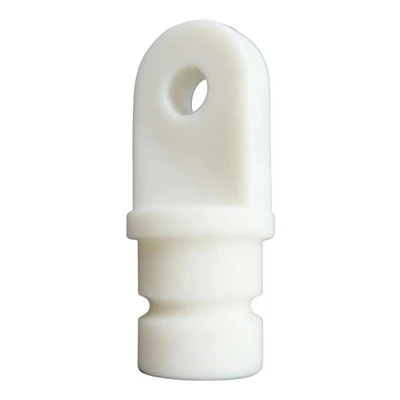
First, let’s get the basics straight. A mooring cleat, in general, is a hardware fixture made to secure a boat to a dock, pier, buoy, or any other stationary structure. The fixed version is different from a portable cleat— the kind you can unbolt and move around, or a fold-down one you tuck flat against the dock when not in use. Fixed cleats are, yep, permanently mounted, usually with heavy-duty bolts or sometimes welded directly to a concrete or steel dock frame. They’re built to hold way more weight than portable ones, because they don’t have to be lightweight or easy to move.
Let’s talk materials, because that’s where a lot of cheap cleats go wrong. Most good fixed cleats are either galvanized steel, stainless steel, or aluminum. Galvanized steel is the workhorse— it’s coated with a zinc layer to stop rust, which is key if you’re near saltwater. Stainless steel is pricier, but it’s way more corrosion-resistant, especially for marinas that deal with salt 24/7. Aluminum is lighter, so it’s used sometimes for smaller docks or recreational boats, but it’s not as tough as steel, so don’t use it for big cargo ships or storm-prone marinas. Cheap cleats, though? They’re usually just mild steel with a thin, flaky paint that chips off after a few months, leading to rust, which weakens the whole thing. I’ve seen dock cleats snap in half during a storm because someone bought a $20 aluminum one instead of a $80 stainless steel fixed cleat— total disaster.
Now, what do they actually do that makes them “fixed” special? Porta-cleats are fine for small boats on calm days, but fixed cleats are made for heavy, constant loads. A 50-foot yacht can weigh 20+ tons, and when a gust of wind hits, that boat is pulling on the line with thousands of pounds of force. Fixed cleats are bolted deep into the dock structure, so they don’t pull out or flip over when the line tightens. They’re also designed with those two horns (the little prongs sticking up on either side) that let you wrap a line around them without it slipping off. Wait, quick pro tip: never wrap a line all the way around the cleat’s base— that creates too much friction and can snap the rope, or even the cleat. You wrap it around the horns a couple times, then tie a bowline knot. That’s how you get a secure hold without overstraining anything.
Who uses fixed mooring cleats, anyway? Let’s run through the list, because it’s not just private boat docks. Marinas, obviously— every slip has a set of fixed cleats (usually two per dock end, for bow and stern lines). Commercial ports, where they load and unload cargo ships, use way bigger fixed cleats, some rated for 100+ tons of pull. Ferry terminals, fishing piers, even oil rigs use them. I’ve sold cleats to fishers who dock their 60-foot trawlers at remote piers, and to resort marinas that rent out 30-foot sailboats to vacationers. The common thread? All of these places need something reliable that won’t give out when it matters.
Wait, let’s talk about the “fixed” part again, because people sometimes mix it up with other types. Fold-down cleats are great for small residential docks where you don’t want something sticking out and tripping people. But fixed cleats are for high-traffic, high-load areas. They’re attached to the dock’s main structure, not just a thin wooden deck plank. For concrete docks, you usually embed a steel anchor bolt or a heavy-duty flange into the concrete before it cures, then bolt the cleat to that. For steel piers, you weld the cleat directly to the steel frame— way stronger than just bolting it on later. I’ve had customers come to me because their old cleats were bolted to just the deck planks, and after a winter storm, the whole cleat pulled the plank right out of the dock. Fixed, as in mounted to the main structural part, not the surface, is non-negotiable for heavy use.
Common mistakes people make with fixed cleats. Let’s list a few, because I see this all the time. First, buying the wrong size. A 10-inch cleat is fine for a 25-foot boat, but a 50-foot boat needs a 18-inch cleat minimum. Too small, and it can’t handle the pull. Second, ignoring load ratings. Every good fixed cleat has a SWL— Safe Working Load— number on it. Don’t buy a cleat with a SWL lower than the maximum line pull your boat will put on it. Third, not maintaining them. Even stainless steel cleats need a wipe down every few months to get salt off, otherwise you’ll get pitting corrosion, which weakens the metal over time. I had a customer last year who had a set of 10-year-old stainless cleats that looked fine, but a quick check with a magnet and a screwdriver showed they were pitted so bad they could snap.
Now, why buy a reputable fixed cleat instead of a cheap one? Let’s do a cost breakdown. A cheap mild steel cleat might be $15. A good galvanized fixed cleat is $50. The cheap one will rust through in 1-2 years, so you’re replacing it every 18 months, which adds up to $120 over 5 years. The good one will last 10+ years, no replacement needed. For commercial docks, that’s even more of a no-brainer— downtime from a cleat failing means your boat can’t dock, which costs you money. Also, cheap cleats are often made with thinner metal, so they can’t handle the line’s force. I’ve had a customer whose line snapped and hit a $2,000 boat fender because a $20 cleat snapped. That’s way more than the cost of a good cleat.
Wait, let’s get into a recent example I heard. Last month, a marina owner in Florida hit me up because during a hurricane drill, one of their old fixed cleats pulled out of the dock. It was a portable cleat they’d bolted to the deck, not a fixed one mounted to the concrete frame. When the wind picked up, the cleat ripped the deck plank right off, and their 40-foot rental sailboat drifted into another dock, causing $15,000 in damage. The owner told me he thought “fixed” just meant bolted down, not mounted to the structure. That’s a common mix-up. I replaced all their cleats with heavy-duty galvanized fixed ones, and now they do yearly checks to make sure they’re mounted right.
So, to circle back: a fixed mooring cleat is a purpose-built, permanently mounted fixture made to secure boats (or other large vessels) to a dock or structure, designed to handle heavy, constant loads without failing. It’s not just a random metal knob on a dock— it’s a safety device. Without good cleats, boats drift, lines snap, property gets damaged, and people can get hurt.
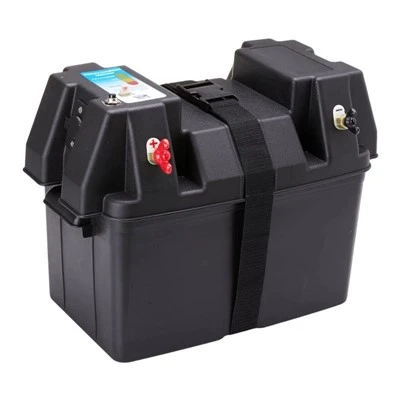
Now, if you’re a dock manager, marina owner, boat builder, or anyone who needs reliable mooring hardware, let’s talk. I’ve got fixed mooring cleats in all sizes, materials, and load ratings— whatever you need, whether it’s for a small residential dock or a commercial port. No cheap knockoffs, just quality stuff that’s built to last, even in saltwater or harsh weather. Shoot me a message if you want to chat about your specific needs, or need a quote for a bulk order. Don’t cut corners here— your dock and your boats depend on it.
Fishing Rod Holders References:
- American Boat and Yacht Council (ABYC) Standard A-26, Mooring Equipment Design and Installation
- International Marina Institute (IMI) Best Practices for Dock Hardware Installation
- Stainless Steel Industry Association (SSIA) Corrosion Resistance Guidelines for Marine Hardware
- National Marine Manufacturers Association (NMMA) Cleat Load Rating Specifications
- Dockmasters Association of North America (DANA) Fixed Cleat Installation Standards
Pan-U Ind. Co., Ltd.
Pan-U Ind. Co., Ltd. is one of the most professional mooring cleats manufacturers and suppliers in Taiwan, also supports customized service. Please feel free to buy bulk ISO certified mooring cleats made in Taiwan here from our factory. For quotation, contact us now.
Address: 7th Floor, No.270, Section 1, Fuxing Road, South District, Taichung City, Taiwan
E-mail: jessicahan@panutw.com
WebSite: https://www.panumarine.com/
