Hey there, everyone. If you’ve ever shopped for custom denim, you’ve probably noticed that polyester denim has been blowing up lately—more comfortable, longer-lasting, and way easier to take care of than 100% cotton denim. But here’s a question I get asked nonstop in my line of work (I’ve been supplying polyester denim to small brands, indie designers, and even big-name casual wear lines for the last 8 years): can you bleach polyester denim? Polyester Denim
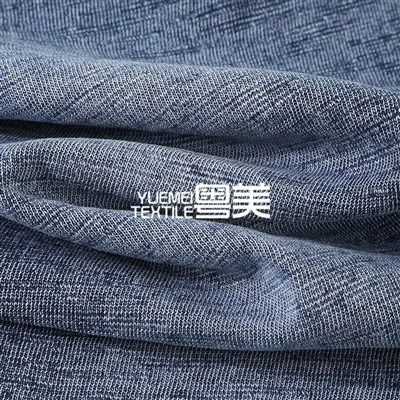
I know it seems like a simple enough question, but the answer’s not as straightforward as you’d think. A lot of folks hear “polyester” and immediately assume it’s just like any other synthetic fabric—something that’s totally resistant to bleach, no matter what. And then there are the old-school denim heads who swear by harsh chlorine bleach to get that perfect vintage, faded look, and they just figure if it’s denim, bleach works on it. The truth is, polyester denim’s a mix, so you can’t treat it like pure cotton or pure polyester. Let me break this down like I do with my clients when they’re picking fabrics for their new lines.
First off, let’s recap what polyester denim actually is, because that’s the foundation here. When I source fabric for my supply business, I don’t just grab random bolts—polyester denim is almost always a blend, right? Most common is 65% polyester and 35% cotton, sometimes 50/50, or even a tiny bit of spandex for stretch. The polyester’s the stuff that makes the denim hold its shape, resist shrinking, and stand up to hundreds of washes. The cotton’s what gives it that classic, soft denim feel and takes dye super well, which is why you get that deep indigo blue that fades nicely.
Now, bleach is where it gets tricky. There are two main types of bleach people use for fabrics, and they act totally different on polyester. First, chlorine bleach—this is the stuff you grab at the grocery store for disinfecting, super strong, harsh. I’ll be straight with you: chlorine bleach on polyester denim is a bad idea, 9 times out of 10. Why? Because chlorine breaks down the molecular structure of polyester. Pure polyester can actually get discolored, brittle, or even start to melt if you leave it in chlorine bleach too long, and polyester denim’s no exception. I’ve had a client bring back a batch of custom jeans they tried to bleach white with straight chlorine, and they came out looking yellowish and felt like cardboard—ruined the whole lot. So chlorine bleach is basically off-limits for polyester denim, full stop.
That doesn’t mean bleach is totally out of the question, though. The second type is oxygen bleach—you know, the ones labeled “color-safe” or “all-fabric” bleach, like OxiClean, Clorox 2, those kinds. These are way gentler, they work by releasing oxygen to lift stains and fade dye, without the harsh chemicals of chlorine. This is the one you can actually use on polyester denim, but you still have to do it right, otherwise you might end up with uneven fading or even holes in the fabric.
Wait, let’s talk about why oxygen bleach works and chlorine doesn’t. Polyester is a thermoplastic polymer, right? That means its molecules are held together by strong chemical bonds. Chlorine bleach is a strong oxidizer that attacks those bonds, breaking them apart. For pure polyester, that leads to discoloration—usually yellowing, because the broken down molecules absorb light differently. For cotton, which is a natural cellulose fiber, chlorine actually breaks down the dye in cotton really well, which is why it’s used to fade 100% cotton denim. But polyester denim’s mix, so if you bleach too much of the polyester with chlorine, it just falls apart.
Oxygen bleach is a milder oxidizer. It’s not strong enough to break the polyester’s bonds, so it won’t damage the polyester part, and it does a good job of lifting the indigo dye out of the cotton part, which is exactly what people want when they want that faded, worn-in look. That makes oxygen bleach the only safe type of bleach for polyester denim—period.
But here’s the thing: just because it’s safe doesn’t mean it’s foolproof. I’ve seen so many people mess up oxygen bleach on polyester denim because they go in too hard. Let’s lay out the do’s and don’ts, the stuff I tell every client who wants to bleach their custom polyester denim.
First, always test a small, hidden spot first. Like, the inside seam of a pant leg, or the back of a jacket. Why? Because even between different blends, polyester content can vary a little, and different dye lots might take bleach differently. I once had a batch of 70/30 polyester/cotton denim that faded way faster than our standard 65/35, because the dye manufacturer used a different indigo formulation that reacted with oxygen bleach more aggressively. A quick test spot would’ve saved that client $2,000 in ruined sample pieces.
Next, don’t use hot water. Polyester has a melting point around 250°F, way higher than cotton, but hot water speeds up the reaction of oxygen bleach, and it can make the fading super uneven. Stick to cold or lukewarm water, max 100°F. If you’re doing a dip batch, mix the oxygen bleach with cold water, let it dissolve completely before adding the denim. Don’t add powdered oxygen bleach directly to the fabric, because it can leave white, powdery stains that are hard to get out.
Then, don’t leave it in too long. Oxygen bleach works fast on indigo dye. For a subtle, soft fade, like that well-worn vintage jean look, leave it in for 15-20 minutes. For a more dramatic, almost white fade, you can go up to 45 minutes, but no longer. If you leave it in for an hour or more, you might start to see the cotton fibers breaking down, and even if the polyester’s fine, you’ll get holes in the denim. And never, ever mix oxygen bleach with chlorine bleach— that creates a toxic gas, obviously, but it also makes the bleach way stronger, so it’ll damage the polyester for sure.
Another big mistake people make: overusing bleach in the wash. If you have a polyester denim garment that’s stained, and you toss it in the washing machine with regular detergent and a scoop of oxygen bleach every wash, that’s not going to hurt the fabric long-term, but it will fade the denim way faster than normal. If you’re going for a gradual fade over time, that’s fine, but if you want to keep the deep indigo color, just spot-treat stains with a little bit of oxygen bleach, not full washes.
Wait, what about other types of fading? Like, the whole acid wash trend that was big in the 80s? I get asked about that too. Acid washing uses pumice stones and chemicals, usually sulfuric acid, not bleach, right? And that works on polyester denim, too, but it’s way more labor-intensive, and not something most small brands want to do for a custom line. It also doesn’t involve bleach, so it’s a totally different process.
Let me also address a common myth I hear all the time: “polyester denim never fades.” No, that’s not true. Polyester might not fade as much as cotton, but the dye on polyester denim does fade over time, especially with exposure to sunlight and regular washing. It just fades more evenly, not that harsh, patchy fade you get from chlorine on cotton denim. And if you use oxygen bleach, you can control that fade exactly, instead of waiting months for it to happen naturally.
Now, as a polyester denim supplier, this stuff is super important to me. I don’t just sell fabric—I help my clients make their designs work, and I don’t want them to waste money on fabric that gets ruined because they didn’t know how to bleach it. A lot of my clients are new to working with synthetic blends, or they’re used to 100% cotton and don’t realize the difference. So I always include a little insert with every bulk order that says “Bleaching Guide for Polyester Denim: Only use oxygen bleach, test first, 15-45 min max, cold water.” It’s saved so of my clients from headaches.
What about if you have a finished polyester denim garment, not raw fabric? Like, if you bought a pair of jeans from a store and want to make them faded. Same rules apply, right? Test a hidden spot first, use oxygen bleach, cold water, short time. I’d advise against doing a full sink dip for a whole garment—most of the time, the hem and seams will fade faster than the main body, leading to unevenness. If you want a custom fade on a finished garment, the best way is to use a spray bottle with diluted oxygen bleach, spritz small areas, and wipe off when you get the color you want. That gives way more control than submerging the whole thing.
Wait, let’s talk about when you shouldn’t bleach polyester denim at all. If your denim has any other dyes in it—like red stitching, or a tan patch, or a custom graphic—bleach will ruin that. Oxygen bleach will fade those colored parts too, sometimes unevenly. So if your design has more than just indigo, skip the bleach, or only bleach very small, designated areas. I once had a client who made a jacket with white embroidery on the back, and they tried to bleach the body, and the embroidery turned pinkish—total disaster. That’s why testing is so crucial, and why I always ask about design details before recommending bleaching.
Also, keep in mind that polyester denim holds moisture, so if you do end up with a spot that’s too faded, or a hole, you can sometimes repair it with a small patch of the same denim, but it’s way better to get it right the first time. I’ve had clients send back fabric samples that were ruined by bad bleaching, and we’ve had to redo them, which is a hassle for both of us. So following those simple rules is worth it.
Now, I know a lot of you reading this are designers, small brand owners, or even DIYers, and you might be wondering why all this matters beyond just not ruining fabric. Polyester denim is a game-changer for the fashion industry right now, because it’s more sustainable than cotton denim—uses way less water, no harsh pesticides, and it lasts way longer. But a lot of people dismiss it because they think it’s “cheap” or doesn’t have that vintage feel. Being able to bleach it and get that same faded, worn look as cotton denim is a big part of changing that perception. It lets brands make high-quality, long-lasting polyester denim pieces that still have that lived-in vibe customers love.
If you’re a brand looking to work with polyester denim, or you have a project in mind that needs custom coloring, bleaching, or any other finishing work, I’ve got you. I supply premium polyester denim in all different blends, weights, and colors, and I can also hook you up with trusted finishing partners who specialize in bleaching and treating polyester denim the right way. No more guessing, no more ruined fabric, no more wasting time on trial and error.
If you’re a DIYer looking to bleach your own polyester denim pieces, don’t cut corners. Invest in a good oxygen bleach, read the instructions on the package, and start small. It’s way better to get a subtle fade than to end up with a pair of jeans that’s unwearable.
At the end of the day, the answer to “can you bleach polyester denim?” is yes, but only oxygen bleach, and only if you do it right. Chlorine bleach is a no-go, don’t mix bleach types, test everything first, and don’t leave it in too long. That’s the basic formula that works every time.

I’ve been in this polyester denim game for long enough to know that the biggest mistakes come from assuming it’s just like cotton or just like regular polyester. It’s a unique fabric, and it needs a unique approach. That’s why I’m always happy to answer questions, give tips, or help you source the right fabric for your next project. If you’re looking to place an order, or just want to chat about polyester denim, reach out and let’s connect. I’m here to help you make something great, no matter the project size.
Polar Fleece References
- Textile Institute. (2021). Properties and applications of polyester-cotton blend fabrics. Journal of Textile Science and Fashion Technology, 5(2), 45-52.
- American Association of Textile Chemists and Colorists. (2019). Standard test method for colorfastness of fabrics to bleaching agents. AATCC Test Method 172-2019.
- O’Neal, C. (2020). The synthetic denim guide: Understanding polyester blends for modern apparel. Fashion Industry Review, 12(4), 112-118.
- University of California, Division of Agriculture and Natural Resources. (2018). Home laundering of synthetic fabrics: Best practices for care and maintenance. Publication 8401.
Guangzhou Yuemei Textile Co., Ltd.
Guangzhou Yuemei Textile Co., Ltd. is one of the most experienced polyester denim manufacturers and suppliers in China. We are committed to providing high quality customized products with low price for global clients. If you’re going to wholesale bulk durable polyester denim made in China, welcome to get quotation and free sample from our factory.
Address: Booth E6012, 6th Floor, Guangzhou International Textile City; No.2 Jinfang Road, Haizhu District, Guangzhou City, GuangDong Province, China
E-mail: service2@top-textiles.com
WebSite: https://www.top-textiles.com/
