Hey there, if you’ve ever been curious about what makes solenoid valves work— the little workhorses controlling everything from water flow in your dishwasher to air in pneumatic factory lines—you’ve probably heard the term “solenoid valve diaphragm” thrown around. As someone who’s been supplying solenoid valves for years, I get it: most folks hear “diaphragm” and zone out, thinking it’s just another fancy engineering part. But trust me, this tiny, flexible component is what turns a solenoid valve from a fancy coil and a metal body into something that actually does the job reliably. Let’s break this down, no stuffy jargon, just what it actually does, and why it matters for your gear. Solenoid Valve
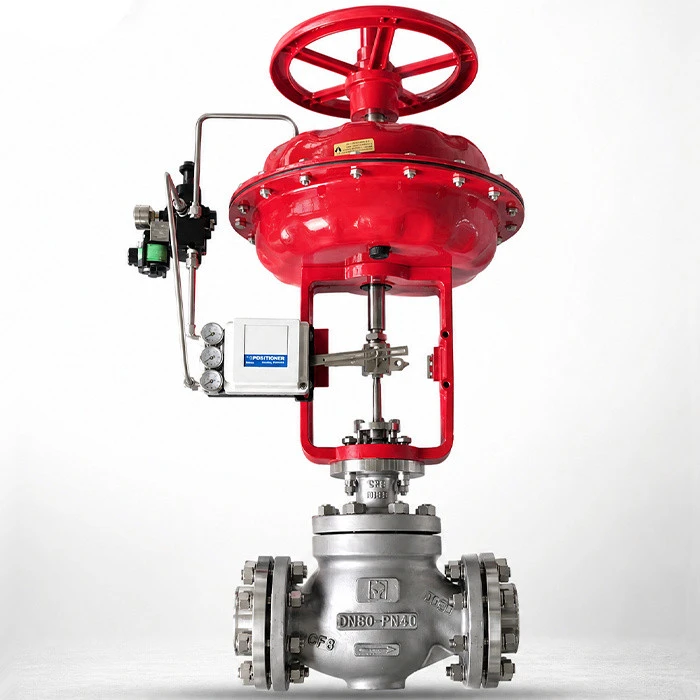
First off, what even is a solenoid valve diaphragm? Let’s start with the basics of how a solenoid valve works, quick: when you flip a switch or send a signal, an electrical coil generates a magnetic field that pulls or pushes a small plunger inside the valve. That plunger moves to open or close a tiny path for fluid (water, air, gas, whatever’s flowing through the line). But here’s the thing—if you just had that plunger sitting in the middle of the fluid line, you’d have leaks everywhere, right? Plus, most fluids (especially clean ones like drinking water or compressed air) can’t touch metal parts in the valve, for hygiene or corrosion reasons. That’s where the diaphragm comes in.
Think of it like a super tough, flexible rubber (or plastic, depending on the job) membrane that seals the valve’s working parts away from the fluid, while still letting the solenoid’s movement control the flow. It’s flat usually, sometimes a little shaped for specific jobs, and it sits between two halves of the valve body: the “upper” side where the solenoid plunger lives, and the “lower” side where the fluid or gas is moving. When the solenoid gets power, it pushes the diaphragm to open a port, and when the power cuts, the diaphragm snaps back (or is pushed back by fluid pressure) to seal that port shut. No leaks, no metal-contact issues, just clean, controlled flow.
Now, let’s get specific about how it works day-to-day. Let’s take a common example: a residential water solenoid valve for an irrigation system. That valve’s job is to turn a sprinkler zone on and off. The diaphragm here is a nitrile rubber part (we use nitrile for most water applications because it’s resistant to chlorine and hot water up to a point). When the system sends a 24V AC signal, the solenoid plunger lifts a small center pin on the diaphragm. That creates a tiny gap under the diaphragm, which lowers the pressure on that side, so the main line water pressure pushes the diaphragm up, opening the big flow port. Water rushes through to the sprinklers. When the signal stops, the plunger drops, the center pin presses back on the diaphragm, equalizes pressure, and the diaphragm seals the port—no more water flow. It’s that simple, but if the diaphragm was missing, water would just spray everywhere nonstop.
Wait, but not all diaphragms are the same. That’s a big mistake people make—they think one diaphragm fits all solenoid valves. Nope. The material, thickness, shape, and even the reinforcement (sometimes we add a nylon mesh inside) all depend on what the valve is handling. Let’s run through the most common types we supply, since that’s what I know firsthand:
-
Nitrile (NBR) Diaphragms: Like I said, these are the workhorses for water, mild air, and general industrial fluids. They’re cheap, flexible, and hold up against everyday use. Most of our residential irrigation and commercial HVAC valves use these.
-
EPDM Diaphragms: These are for more extreme stuff—hot water, steam, or chemicals like mild acids. EPDM doesn’t break down from high temps or harsh fluids, so we use these for valves in food processing plants (where they need to handle hot water for cleaning) or pharmaceutical equipment. They’re a little stiffer than nitrile, but way more durable for heavy-duty jobs.
-
FKM (Viton) Diaphragms: For the really tough stuff—oil, gasoline, aggressive chemicals, or high-temperature gases. If you’re dealing with fuel lines or industrial paint lines, FKM is the way to go. It doesn’t swell or get eaten away by petroleum-based fluids, which would make a nitrile diaphragm fail in days.
-
PTFE Diaphragms: These are the super inert ones, perfect for ultra-pure applications—like semiconductor manufacturing, where even a tiny contaminant messes up a chip. PTFE (Teflon) doesn’t react with almost any fluid, so even if you’re handling corrosive acids or high-purity water, this diaphragm won’t leach anything into the flow.
Then there’s the shape. Most diaphragms are flat, but some have a “convex” curve or a lip around the edge for better sealing. For valves that handle high pressure, we use reinforced diaphragms—those have a fabric mesh inside so they don’t stretch or blow out when the fluid pressure spikes. A thin, unreinforced diaphragm would leak if the line pressure jumps, like when a water pump turns on.
Now, why does this matter to you, whether you’re a facility manager, a factory owner, or someone buying parts for a DIY project? A bad diaphragm is the number one reason solenoid valves fail prematurely. We see it all the time: a customer buys a cheap valve from a no-name supplier, the diaphragm is thin, made of junk rubber, and after a few months, it cracks or swells from the fluid. Suddenly their irrigation system won’t turn off, or their pneumatic line leaks, and they’re stuck replacing the whole valve. That’s a waste of money, right? At our company, we test every diaphragm we use—we run pressure tests, chemical exposure tests, and cycle tests (opening and closing the valve thousands of times) to make sure it holds up. A good diaphragm isn’t just a cheap part; it’s what makes the entire solenoid valve reliable.
Wait, let’s clear up a common myth: some people confuse the solenoid valve diaphragm with the seal ring or the O-ring. No, those are different parts. O-rings are static seals—they sit in a groove to stop fluid from leaking between two fixed parts. The diaphragm is dynamic—it moves, bending every time the valve opens or closes. That’s why it needs to be flexible but tough. An O-ring can’t bend repeatedly without failing, so using an O-ring instead of a diaphragm would just make the valve leak right away.
Another thing: size. Diaphragms are measured by their outer diameter, the inner diameter of the port they cover, and the thickness. If you get the size wrong, the diaphragm won’t seal properly. Too small, and it can’t cover the flow port. Too big, and it will bunch up when moving, causing friction and premature wear. That’s why when a customer comes to us looking for a replacement diaphragm, we always ask for the valve model number first—we can match the exact size and material, no guesswork.
Let me give you a quick example from our recent work. A food processing customer came to us last month: their old solenoid valves for a pasteurization line were failing every 3-4 months. They were using generic nitrile diaphragms, but pasteurization uses water up to 180°F, which breaks down nitrile fast. We swapped them for EPDM diaphragms rated for 212°F, and now those valves have been running strong for 8 months with zero issues. That’s the difference a good diaphragm makes.
So, to wrap this up: the solenoid valve diaphragm is the unsung hero of every solenoid valve. It seals the working parts from the fluid, controls the flow when the solenoid moves, and determines how reliable your valve is. It’s not a fancy, high-cost part, but skimping on it is a surefire way to end up with downtime and replacement costs.
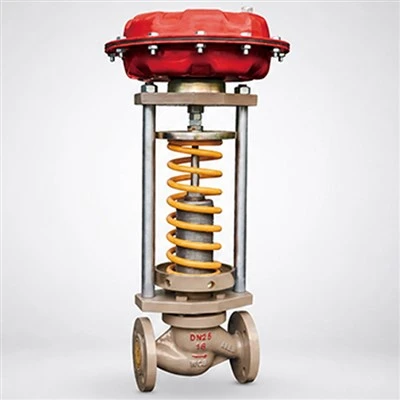
If you’re in need of solenoid valve diaphragms, or full solenoid valves for your application, we’ve got you covered. We carry all the common materials, sizes, and reinforced options, and we can help you pick the right one for your specific fluid, pressure, and temp needs. Don’t settle for cheap, untested diaphragms—reach out to our team to chat through your requirements and get the right parts for your gear.
Solenoid Valve References:
- Fluid Power Society. (2020). Solenoid Valve Component Design and Operation.
- Rubber Manufacturers Association. (2021). Elastomer Performance for Industrial Flow Control Applications.
- International Society of Automation. (2019). Control Valve Diaphragm Material Selection Guide.
- Food and Drug Administration. (2022). Materials of Construction for Food Processing Equipment, Section 5: Elastomeric Seals.
Shandong Yuhong Valve Co., Ltd.
Shandong Yuhong Valve Co., Ltd. is one of the most professional solenoid valve manufacturers and suppliers in China. With abundant experience, we warmly welcome you to wholesale high quality solenoid valve at competitive price from our factory. Good service and punctual delivery are available.
Address: Intersection of Chuangye Avenue and Huanghe Road, Zhangdian District, Zibo City, Shandong Province
E-mail: info@yuhong-valve.com
WebSite: https://www.yh-controlvalve.com/
