If you’ve ever picked up a perfectly sealed bag of coffee grounds, a vacuum-sealed pallet of medical supplies, or a shrink-wrapped batch of consumer electronics, you’ve interacted with one of the most unsung heroes of packaging operations: the sealing part of a packing machine. As a packing machine supplier with years of working with small-batch craft producers and large-scale manufacturing plants alike, I’ve seen first-hand how this single component can make or break a production line—stop a shipment in its tracks, and even impact a brand’s reputation if it fails. Today, I’m breaking down what sealing parts actually are, how they work, and why they’re non-negotiable for anyone relying on consistent, reliable packaging. Packing machine

First, let’s cut through the jargon: a sealing part is the core functional component of a packing machine that fuses two edges of packaging material together to create a closed, secure package. It’s not a single part, though—packaging machines use different sealing parts tailored to the material they’re working with, the product inside, and the required type of seal. Think of it like a toolbox: a carpenter doesn’t use a screwdriver for every job, and a packing machine doesn’t use one seal part for every packaging task. For example, a heat sealer’s seal bar is perfect for sealing polyethylene (PE) bags, but it won’t work for the tamper-evident seals required for prescription pharmaceuticals, which often use ultrasonic sealing parts that use high-frequency sound waves instead of heat.
Let’s get specific with the most common sealing parts you’ll encounter in modern packing operations, because understanding these will help you spot issues before they cause downtime. The first and most widely used is the heat seal bar assembly. This is the long, flat metal strip (usually coated in Teflon to prevent packaging material from sticking) that applies controlled heat and pressure to seal the edges of flexible film bags. I’ve seen operators call us in panic when their seal bars start warping—over time, the constant heat and pressure can bend the bar, leading to uneven seals that leak. The fix? Regular calibration, and replacing the Teflon coating every 1 to 3 months, depending on usage. That’s a simple maintenance step that avoids hours of lost production.
Next, ultrasonic sealing parts, which are the go-to for applications where heat would damage the product or packaging. For example, if you’re packaging fresh produce that needs to stay cool, or a cardboard blister pack with fragile electronics, a heat seal could shrink the plastic, melt the product, or weaken the blister’s structure. Ultrasonic sealers work by converting electrical energy into high-frequency sound waves (20,000 to 40,000 hertz) that vibrate the packaging material’s molecules, creating friction and heat right at the seal interface—no external heat source required. I recently worked with a small battery manufacturer who switched from heat seals to ultrasonic parts; they cut their seal failure rate by 80% and reduced packaging material waste because ultrasonic seals don’t leave the excess “crimp” edges that heat seals sometimes do. That’s a win for both efficiency and sustainability, which is a big priority for many brands now.
Then there’s impulse sealing parts, which are a hybrid between heat and ultrasonic, often used for thin, low-density films like bread bags or grocery store produce bags. Instead of a continuously heated bar, impulse sealers use a short burst of electrical current to heat a wire inside the seal bar. The wire heats up quickly, fuses the film, and then cools just as fast, so it doesn’t damage sensitive materials. This is a popular choice for small to medium operations because impulse seal machines are affordable, easy to operate, and have fewer moving parts than other sealing systems. I’ve seen a lot of startup craft bakeries start with impulse sealers, then upgrade to continuous heat sealers as their production scales—impulse parts are a great entry point, but they’re not built for 24/7 high-volume runs.
Now, let’s talk about what makes a good sealing part, because not all parts are created equal. As a supplier, I’ve seen cheap, generic seal parts from no-name manufacturers fail within weeks, while our sealing parts (machined from high-grade aluminum or stainless steel, with precision-machined pressure channels) last for years. The key factors here are material compatibility, precision, and durability. For example, a seal bar for heavy-duty industrial bags (like those used for construction materials) needs to be thicker, with a higher heat resistance, than a seal bar for thin snack bags. If the sealing part isn’t matched to the material, you’ll end up with weak seals, or even worse, seals that burst during shipping. I had a client who tried to use a general-purpose seal bar for heavy-duty woven polypropylene bags; within a week, the bar had dented, and their shipments to construction sites were leaking, leading to thousands of dollars in returns. That’s a common mistake, and it’s one we help clients avoid from the start.
Another often-overlooked factor is pressure uniformity. A sealing part that applies too much pressure in one spot and too little in another will create inconsistent seals. For example, if you’re sealing a stand-up pouch with a flat bottom, the seal needs to be evenly strong along the entire top edge—if there’s a low spot, the bag will leak when it’s filled with liquid or heavy contents. That’s why precision machining is non-negotiable: our seal bars are tested under pressure to ensure every inch of the bar applies the same force, even when sealing different thicknesses of film. We also include pressure gauges with our machines so operators can adjust pressure as needed, which is especially useful when switching between product runs.
Now, let’s address a common question I get: “How do I know when my sealing part needs to be replaced?” The warning signs are usually obvious if you’re paying attention. First, inconsistent seals—if some bags seal perfectly and others have gaps, that’s a sign the seal bar is warped, the Teflon coating is worn, or the heating element is failing. Second, excessive sticking: if the packaging material is melting and adhering to the seal bar, even when you adjust the heat, that means the Teflon coating is damaged and needs to be replaced. Third, increased downtime: if you’re having to stop the line multiple times a day to fix seal issues, that’s a clear sign your sealing part is worn out. I always tell clients to keep a spare seal bar or Teflon kit on hand—replacing a part in 10 minutes is way faster than waiting for a service technician during a production run.
What about new trends in sealing parts? As packaging becomes more sustainable, with brands switching to compostable films, recycled plastics, and thinner materials, sealing parts are evolving too. Compostable films, for example, have different melting points than traditional polyethylene, so they require sealing parts with more precise temperature control. We’ve developed custom seal bars with digital temperature sensors that adjust heat in real-time to match the film’s composition, which has cut seal failure rates for compostable packaging by 50% for our clients. Another trend is smart sealing parts: some modern sealing components are equipped with sensors that track temperature, pressure, and seal strength, sending alerts to operators when a part is about to fail. That’s a game-changer for predictive maintenance—no more unexpected downtime, because you can replace the part before it causes a problem.
Now, let’s talk about how sealing parts fit into the bigger picture of packaging operations. They’re not just a “component”—they’re the final quality check for your product. A broken seal doesn’t just ruin a package; it can ruin a customer’s experience. I once heard from a craft chocolate brand that a batch of their truffles arrived at a trade show with broken seals, and by the time they noticed, half the chocolate had absorbed moisture and gone bad. They lost a major client that day, all because of a faulty sealing part. On the flip side, a reliable sealing part can build brand loyalty: customers trust that a perfectly sealed chip bag will stay crisp, a medicine bottle’s tamper seal is intact, and a shipping container’s contents will arrive undamaged. For small businesses, that trust can make the difference between staying afloat and growing; for large corporations, it’s critical for maintaining regulatory compliance—especially for food and pharmaceutical packaging, where seal integrity is a legal requirement.
As a packing machine supplier, our job isn’t just to sell machines—it’s to help clients choose the right sealing parts for their specific needs. We work with everyone from home-based candle makers to Fortune 500 food producers, and no two operations are the same. A start-up might need an affordable impulse sealer with a replaceable seal wire, while a high-volume cereal plant needs a continuous heat seal bar with digital temperature control. We also offer custom sealing parts for unique applications, like sealing medical device trays that require sterile, leak-proof seals. We don’t believe in one-size-fits-all solutions, because we’ve seen what happens when a sealing part doesn’t match the job.
If you’re currently dealing with seal issues—consistent leaks, frequent downtime, or high waste rates—I’d encourage you to take a close look at your sealing parts. It might be as simple as replacing a worn Teflon coating, or it might be time to upgrade to a more suitable sealing part for your packaging materials. Even if you’re just starting out, investing in a quality sealing component from the beginning will save you time, money, and headaches down the line.
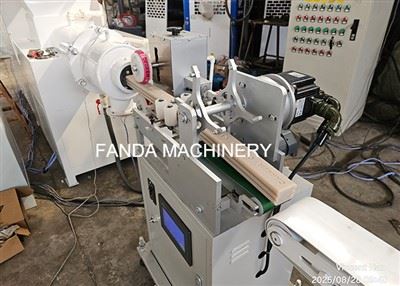
Whether you’re packaging food, pharmaceuticals, consumer goods, or industrial products, the sealing part of your packing machine is one of the most critical investments you’ll make. It’s small, easy to overlook, but it’s what keeps your products safe, your brand’s reputation intact, and your production line running smoothly. If you have questions about which sealing part is right for your operation, or if you’re looking for reliable, durable replacement parts for your packing machines, feel free to reach out to our team to discuss your specific needs. We’re here to help you find the solution that works for you, no matter the size or scale of your business.
Pellet Mill Parts References:
- Han, J. H. (2019). Packaging Technology and Science for the Food Industry. Wiley-Blackwell.
- Selke, S., Nur, A., & Wichman, J. (2020). Plastics Packaging: Properties, Processing, and Performance (2nd ed.). Hanser Publishers.
- Ultrasonic Sealing for Flexible Packaging: Industry Guidelines and Best Practices. Packaging Machinery Manufacturers Institute (PMMI), 2021.
- Industrial Heat Sealing: Maintenance and Troubleshooting Manual. Association for Packaging and Processing Technologies (APTECH), 2022.
Zhengzhou Fanda Machinery Co., Ltd.
Zhengzhou Fanda Machinery Co., Ltd. is one of the most professional packing machine manufacturers and suppliers in China. Feel free to buy cheap packing machine for sale from our factory and check the price with us.
Address: Zhisi Road, Zhongyuan District, Zhengzhou, Henan, China.
E-mail: vincenthan@fandamachinery.com
WebSite: https://www.fandapelletmill.com/
