If you’ve ever stared at your weathered wood deck—green with moss, streaked with old deck stain, and dotted with the faded remains of last summer’s cookout—you’ve probably wondered if power washing is a fix-all. As a high pressure washer supplier that works with residential homeowners, contractors, and small property management teams, I get this question daily, and the short answer is: it depends. It’s not as simple as yanking a trigger and blasting grime off, though. Do it wrong, and you’ll end up with splintered wood, gouged grain, or even structural damage. Do it right, and it’s one of the fastest, most cost-effective ways to prep your deck for a new finish or just refresh its look. Let’s break this down, from what you need to know before you fire up the machine to the mistakes that will cost you time and money later. High Pressure Washer

First, let’s get the basics straight: not all wood decks are the same, and not all pressure washers are built equal. I see this mix-up all the time. A lot of homeowners grab a cheap, off-the-shelf pressure washer from a big box store and crank the pressure to max, thinking more power equals a better clean. But softwoods—like pine, cedar, or spruce, which are common for budget decks—are way more porous and prone to damage than hardwoods like teak, ipe, or mahogany. Softwoods have thinner, more delicate grain; blast them with 3,000 PSI or higher, and you’ll carve out grooves in the wood, lift the edges of the planks, or even etch the surface so deeply that new stain won’t adhere. Hardwoods can handle higher pressure, but even they have a limit. That’s why our team at the pressure washer supplier spends so much time educating users on matching the machine’s PSI and nozzle size to their deck’s material.
Let’s talk PSI numbers because that’s where most people go wrong. The industry standard for safe pressure washing a wood deck is 1,500 to 2,500 PSI for softwoods, and up to 3,000 PSI for hardwoods—and only if you use a wide enough nozzle. A 0-degree nozzle (the red tip) delivers a super-concentrated jet, like a fire hose, which is fine for stripping paint off concrete but a disaster for wood. For decks, we recommend a 25-degree nozzle (the light green tip) because it disperses the pressure evenly, without focusing it on one small spot. Some people even opt for a 40-degree nozzle for extra gentleness, especially if their deck has any splintered or rotted areas. Rotted wood? Don’t pressure wash it at all. The moisture from the machine will seep into the soft, decaying wood and speed up rot. Either replace those planks first or use a low-pressure cleaning method with a deck-specific cleaner and a stiff brush.
Wait, I should mention: sometimes “pressure washing” is confused with “power washing,” and while the terms are often used interchangeably, there’s a tiny difference. Power washers heat the water, which can help break down heavy grime and mold without extra pressure, but for most residential decks, a cold-water pressure washer works just fine. The heat actually can damage some finishes, so unless you’re dealing with caked-on grease (like from a grill or old oil stain), cold water is the way to go. That’s why our line of cold-water residential pressure washers comes with adjustable pressure settings—so you can dial it down when washing wood, then crank it up if you later need to clean a driveway or siding.
Now, the step-by-step process to do this right, because even with the right machine, there’s a wrong way to hold it. First, prep the deck. Remove all furniture, planters, toys, and any other items off the surface. Sweep off loose leaves and dirt, but don’t sand the deck first—pressure washing will do that for you (if done right). Next, cover any nearby plants, windows, and outdoor outlets. High pressure water can damage plant roots, break glass, or even force its way into electrical outlets, so a tarp or plastic sheeting is non-negotiable. If you have a deck with a rail or stairs, make sure you’re not spraying water under the rails or into the gaps between planks too hard—standing water trapped there is a top cause of deck rot over time.
Then, apply a deck cleaner before you pressure wash. I can’t stress this enough. Pressure washing alone doesn’t kill mold and mildew, and it won’t lift years of embedded dirt or old stain residue as effectively as a combination of cleaner and pressure. Use a cleaner that’s formulated for wood—avoid harsh bleach-based products, which can discolor light wood and kill beneficial bacteria in the soil nearby. Let the cleaner sit for 10 to 15 minutes (don’t let it dry on the deck, though, that leaves streaks) before you start washing.
When you’re ready to wash, stand at the right distance. Six to 12 inches from the deck surface is ideal. Hold the nozzle at a 15 to 30-degree angle, parallel to the wood grain, not straight down. If you point the nozzle straight at the planks, the pressure will push water between the planks and erode the edges. Following the grain keeps the pressure from lifting fibers. Move the nozzle in slow, overlapping passes—like mowing a lawn, work in lines so you don’t miss spots. Overlap each pass by half to ensure even cleaning, and don’t linger in one spot more than a second or two. I’ve seen homeowners stand in one area for 10 seconds to get a tough stain out, only to watch a groove carve into the wood right in front of them.
What about after washing? Don’t rush to seal or stain the deck right away. You need to let it dry completely, which can take two to three days in warm, dry weather, and up to a week if it’s cool or humid. If you seal a damp deck, the moisture gets trapped under the finish, leading to mold, mildew, or peeling. A good rule of thumb: drop a few small coins on the deck, and if they don’t leave a water ring when you pick them up, it’s dry enough.
Now, let’s talk about the times you should never pressure wash a wood deck. If your deck is less than two years old, wait. Newly treated wood is still curing, and pressure washing can strip off the protective treatment before it has a chance to set. If your deck has a solid stain applied in the last year? Wait too. Solid stain is thick and protective; pressure washing will remove it unevenly, leaving splotchy spots that will require a full sand and re-stain later. If your deck is already heavily splintered or has soft, spongy spots from rot, pressure washing will only make the damage worse. In that case, hire a professional who can use low-pressure methods and repair the damaged areas first.
I know a lot of homeowners think pressure washing a deck is a DIY weekend project, and sometimes it is. But a lot of them come to us after they messed it up: their deck looks faded, has splinters, or the new stain they put on looks patchy because they didn’t prep it right. Investing in the right machine, and using it correctly, saves you from that headache. Our team works with a lot of professional deck contractors, too, who tell us that a good pressure washer cuts their prep time in half compared to sanding by hand. They use higher PSI for hardwoods and lower for softwoods, and they know to adjust the nozzle size based on the job.
Wait, let’s address a common myth: pressure washing will void your deck warranty? No, not if you do it right. Most wood deck manufacturers allow pressure washing as a maintenance method, as long as you use the correct PSI. The problem comes when you use too much pressure, which damages the wood beyond normal wear and tear. If you’re unsure, check your deck’s warranty documents, or reach out to a professional before you start.
Another thing: don’t forget to clean the machine after you’re done. Rinse out the hose and nozzle to remove any remaining deck cleaner, especially if it’s a chemical-based product. A quick rinse prevents clogs and keeps your pressure washer running longer.
At our high pressure washer supplier, we don’t just sell machines—we help people choose the right one for their needs. A homeowner with a small softwood deck doesn’t need a 4,000 PSI commercial machine; a 1,800 to 2,000 PSI residential model with adjustable pressure is perfect. A contractor who works on multiple decks a week might need a 2,500 PSI machine with a longer hose to make the job faster. We also offer accessories like surface cleaners, which are great for decks because they clean evenly without the streaks you get with a regular nozzle. Surface cleaners cover a wider area, so you work faster, and they reduce the chance of uneven pressure marks.
I’ve had customers come to us saying they tried pressure washing their deck with a $100 machine from a grocery store, and it didn’t do anything. The problem isn’t that pressure washing doesn’t work—it’s that cheap machines often don’t have consistent pressure, or they max out at too high a PSI for wood. That’s why investing in a quality machine makes the difference between a good clean and a ruined deck.
Let’s wrap this up: yes, you can pressure wash a wood deck, but only if you do it with the right tools, the right settings, and the right technique. If you’re not comfortable doing it yourself, or your deck is old or damaged, hiring a professional is worth the cost to avoid expensive repairs later. If you are going to do it yourself, stick to 1,500 to 3,000 PSI (depending on your wood type), use a 25-degree or wider nozzle, follow the wood grain, and take your time.
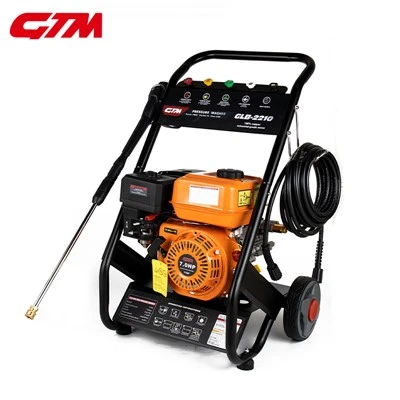
If you’re in the market for a pressure washer, or you have questions about which model is right for your deck, we’re here to help. Don’t hesitate to reach out for personalized guidance on selecting the right equipment and best practices for your specific wood deck needs.
High Pressure Washer References:
- Wood Deck Maintenance and Repair, North Carolina State University Extension, 2022
- Pressure Washing Best Practices for Residential Wood Surfaces, American Cleaning Institute, 2021
- Safety Guidelines for Pressure Washing Wood, Occupational Safety and Health Administration (OSHA), 2020
- Deck Staining and Sealing Prep, National Wood Flooring Association, 2023
Zhejiang GTM Hi-Tech Intelligent Equipment Co., Ltd.
We are one of the most experienced high pressure washer manufacturers and suppliers in China, also support customized service. Please feel free to buy discount high pressure washer for sale here from our factory. Quality products and reasonable price are available.
Address: No.5 of Changjiang Road, 2nd Economic Development Zone of Wenling, Zhejiang, China
E-mail: yehuanting1@hongyemfg.com
WebSite: https://www.gtmplungerpump.com/
