As a supplier of standard capacitive touch screens, I’ve encountered numerous inquiries regarding their proper maintenance and cleaning. Capacitive touch screens are ubiquitous in modern devices, from smartphones and tablets to industrial control panels and interactive kiosks. Their sensitivity and responsiveness rely on a clean and well – maintained surface. In this blog, I’ll share some professional insights on how to clean a standard capacitive touch screen effectively and safely. Standard Capacitive Touch Screen

Understanding the Structure of a Standard Capacitive Touch Screen
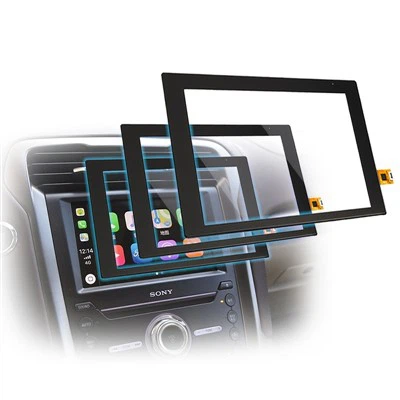
Before delving into the cleaning process, it’s essential to understand the basic structure of a standard capacitive touch screen. A typical capacitive touch screen consists of a glass panel coated with a thin layer of conductive material, usually indium tin oxide (ITO). This conductive layer forms a uniform electrostatic field across the screen. When a conductive object, such as a finger, approaches the screen, it disrupts the electrostatic field, and the touch screen controller detects the change in capacitance to determine the touch position.
The glass surface is not only the interface for user interaction but also the first line of defense against dust, fingerprints, and other contaminants. However, improper cleaning methods can damage the conductive layer or the anti – glare/anti – fingerprint coating on the glass, leading to reduced touch sensitivity and visual quality.
Preparing the Necessary Cleaning Tools
To clean a standard capacitive touch screen properly, you’ll need the right tools. Here are some recommended items:
- Microfiber Cloth: A high – quality microfiber cloth is a must – have for cleaning touch screens. Microfiber is soft, lint – free, and can effectively trap dust and dirt particles without scratching the screen. It’s available in various sizes and can be easily washed and reused.
- Isopropyl Alcohol (IPA): Isopropyl alcohol is a common cleaning agent for electronic devices. It evaporates quickly, leaving no residue, and can dissolve grease, fingerprints, and some stubborn stains. However, it’s important to use a diluted solution, usually a 70% IPA solution, to avoid damaging the screen’s coating.
- Distilled Water: Distilled water is free of minerals and impurities that can leave streaks on the screen. It can be used alone for light cleaning or mixed with IPA for a more effective solution.
- Compressed Air Can: A compressed air can is useful for removing dust and debris from the edges and crevices of the touch screen. It can also be used to blow away loose particles before wiping the screen.
Step – by – Step Cleaning Process
Now that you have the necessary tools, here’s a step – by – step guide on how to clean a standard capacitive touch screen:
- Power Off the Device: Before cleaning the touch screen, turn off the device to prevent accidental input and reduce the risk of electrical damage.
- Remove Loose Dust and Debris: Use a compressed air can to blow away any loose dust and debris from the screen and its edges. Hold the can at a 45 – degree angle and keep a distance of about 5 – 10 cm from the screen to avoid scratching it.
- Prepare the Cleaning Solution: If the screen has light dirt or fingerprints, you can use distilled water alone. For more stubborn stains, mix a small amount of 70% isopropyl alcohol with distilled water in a 1:1 ratio. Pour the solution into a clean spray bottle.
- Moisten the Microfiber Cloth: Spray a small amount of the cleaning solution onto the microfiber cloth, not directly onto the screen. Make sure the cloth is damp but not dripping wet.
- Wipe the Screen: Gently wipe the touch screen in a circular motion, starting from the center and moving towards the edges. Apply light pressure to avoid scratching the screen. Pay special attention to areas with fingerprints or stains.
- Dry the Screen: Use a dry part of the microfiber cloth to wipe the screen again and remove any remaining moisture. Make sure the screen is completely dry before turning on the device.
Special Cleaning Considerations
- Anti – glare and Anti – fingerprint Coatings: Some capacitive touch screens have anti – glare or anti – fingerprint coatings. When cleaning these screens, avoid using abrasive materials or harsh chemicals that can damage the coatings. Stick to the recommended cleaning tools and methods.
- Scratches and Cracks: If the touch screen has scratches or cracks, be extra careful when cleaning it. Avoid applying too much pressure, as it may cause further damage. In some cases, it may be necessary to replace the screen.
- Industrial and Outdoor Touch Screens: Industrial and outdoor touch screens are often exposed to more severe environmental conditions, such as dust, dirt, and moisture. For these screens, you may need to clean them more frequently and use a more robust cleaning solution. However, always check the manufacturer’s guidelines before using any cleaning agents.
Benefits of Regular Cleaning
Regular cleaning of standard capacitive touch screens offers several benefits:
- Improved Touch Sensitivity: A clean screen ensures accurate touch detection, reducing the chances of mis – touches and improving user experience.
- Enhanced Visual Quality: Removing dust, fingerprints, and stains can make the screen look clearer and more vibrant, improving readability and visual appeal.
- Extended Lifespan: Proper cleaning helps prevent the accumulation of dirt and debris, which can cause long – term damage to the screen’s components. This can extend the lifespan of the touch screen and reduce the need for costly replacements.
- Hygiene: In public or shared environments, cleaning the touch screen regularly can help prevent the spread of germs and bacteria, promoting a healthier user experience.
Tips for Maintaining a Clean Touch Screen
In addition to regular cleaning, here are some tips to maintain a clean touch screen:
- Use a Screen Protector: A screen protector can act as a barrier between the touch screen and contaminants, making it easier to clean and reducing the risk of scratches.
- Wash Your Hands: Encourage users to wash their hands before using the touch screen to reduce the transfer of dirt, oil, and bacteria.
- Avoid Eating or Drinking Near the Device: Food and drinks can spill on the touch screen, leaving sticky residues that are difficult to clean.
- Store the Device Properly: When not in use, store the device in a clean, dry place to prevent dust and dirt from accumulating on the screen.
Conclusion
Bar Type Capacitive Touch Screen Cleaning a standard capacitive touch screen is a simple yet crucial task for maintaining its performance and longevity. By using the right tools and following the proper cleaning methods, you can keep your touch screen looking and functioning its best. As a supplier of standard capacitive touch screens, I’m committed to providing high – quality products and professional advice to our customers. If you’re interested in purchasing our touch screens or have any questions about their maintenance and cleaning, please feel free to contact us for a procurement discussion.
References
- "Touch Screen Technology Handbook" by Peter W. McMahon
- "Capacitive Sensing for Touch Screens and Proximity Detection" by Cypress Semiconductor
- Manufacturer’s guidelines of various capacitive touch screen products
Shenzhen Mingqi Photoelectric Co., Ltd.
We’re well-known as one of the leading standard capacitive touch screen manufacturers and suppliers in China, featured by quality products and good price. Please rest assured to buy bulk customized standard capacitive touch screen from our factory. Welcome to view our website for more information.
Address: 3rd Floor, Building A, Fufang Science and Technology Park, Xintian Community, Fuhai Street, Baoan District, Shenzhen, Guangdong
E-mail: mingqisales@gmail.com
WebSite: https://www.mq-screen.com/
