If you’re reading this, odds are you’ve got a home (or maybe multiple) that deals with that random puddle in the basement after a heavy rain, or your foundation feels weirdly damp even when the forecast said dry. I’m part of a drainage systems supplier crew, and let me tell you—most people don’t realize a solid foundation drainage system isn’t just a “nice to have” until they’re standing in a ankle-deep mess in their crawl space. I’ve helped homeowners, even some small business owners, fix problems that could’ve been avoided entirely with a little basic know-how about how these systems work. Drainage Systems
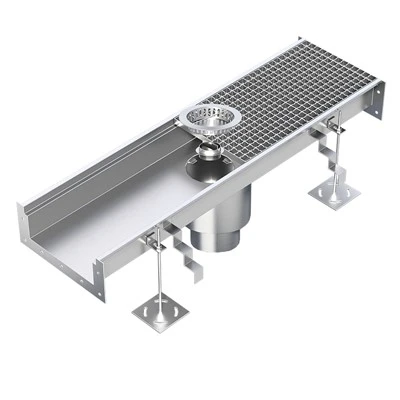
First off, let’s cut the jargon. A foundation drainage system is basically a set of pipes, filters, and tools that keeps water from building up right around the base of your home’s foundation. Think of your home’s foundation like a straw: if you let too much water pool around the bottom, it seeps right in, causes cracks, rots wooden supports, and can even mess with your home’s structural integrity over time. We’ve all seen those posts of basements turned into mini swimming pools—nine times out of ten, that’s either no drainage system, a busted one, or one that was installed wrong.
Let’s break down the most common types, since that’s what most folks ask us when they reach out. The first and most standard one we install is the exterior perimeter drainage system. Here’s how that works: when you’re building (or retrofitting, which is what most people need if their home is 10+ years old), you dig a trench about a foot wide and two feet deep along the whole outside edge of your foundation. You line that trench with a special fabric filter—its job is to let water in, but keep dirt, leaves, and small rocks out so the pipe doesn’t clog. Then you lay a perforated pipe (perforated means it has tiny holes all along it) in the bottom of the trench. That pipe is slanted just a tiny bit—like, ¼ inch for every foot of run—so water flows toward a sump pump or a storm drain instead of pooling. Finally, you backfill the trench with gravel, then cover it with topsoil so your yard looks normal again.
Then there’s the interior drainage system, which we swear by for folks who already have seepage in their basement and don’t want to dig up their whole yard to fix it. For this, we run a narrow channel (usually about 4 inches wide) along the inside base of your foundation walls, right where the wall meets the floor. That channel has a perforated pipe inside, same as the exterior one, and it drains into a sump pump pit in the lowest part of your basement. A lot of people worry their basement will look ugly after this, but we use low-profile channels that fit right in with your baseboard or flooring, so you barely notice them. We even did a job last month where a family thought they’d have to redo their entire basement floor to get drainage fixed—turns out, interior drainage cost them half as much and no mess.
Wait, what about sump pumps? Yeah, those are a huge part of the system—people often mix them up with the whole drainage setup. A sump pump is what moves the water from the drainage pipe to somewhere it won’t cause problems, like a curb or a dry well in the yard. We always recommend battery backup sump pumps too, because if the power goes out during a storm (which happens all the time here), the main pump might stop working and you’re back to puddles. I’ve seen way too many basements ruined because someone skipped the backup.
Now, let’s talk about why you can’t just ignore this. A lot of folks think, “My home is new, it doesn’t need drainage.” But even brand-new builds have soil that settles over time, and if the grading (that’s the slope of your yard) is off, water will run right toward your foundation instead of away. We had a customer last year whose brand-new house had seepage within 6 months—turns out, the contractor who built it graded the yard toward the foundation, not away. The drainage system fixed that for them, and they haven’t had a drop since.
Another thing that surprises people: ground water pressure. When it rains a lot, the soil around your foundation gets saturated, and that water pushes against your foundation walls. If there’s no drainage, that pressure can crack concrete or warp basement walls. Over time, those cracks get worse, and before you know it, you’re looking at thousands of dollars in structural repairs, way more than the cost of a proper drainage system. We do quotes all the time where people think a new sump pump is enough, but it’s not—sump pumps work with the drainage system, not instead of it.
Now, I know some folks are DIY-crazy, and we get it. YouTube has a million videos on “how to install a drainage system yourself” but let me be real—most of those skip the important parts, like sloping the pipe correctly or using the right filter, and that’s how you end up with a clogged pipe a year later. We once had a customer who tried to install their own perimeter drainage, and they didn’t put a filter under the pipe. Within a year, dirt and leaves had clogged the holes, so no water could flow through, and they had worse seepage than before. They ended up hiring us to redo it, and it cost way more than if they’d just called us first.
That’s not to say all DIY is bad, but foundation drainage is one of those jobs where getting it right the first time saves you so much headache. We’ve installed systems in homes that have been around for 50 years, and we’ve worked on new builds, so we know what works for different house types.
Wait, what about other parts? There’s also a thing called a French drain, which is basically a type of trench drain that’s used for specific spots—like if you have a low spot in your yard that’s pooling water, or a foundation that’s on a slope. We use French drains sometimes alongside the perimeter system to catch extra water, especially for homes that are in areas with heavy rainfall. They’re super versatile—we even used one for a customer whose patio was always getting water under it, causing the patio stones to shift. That fixed it right up.
Now, let’s talk signs you need a foundation drainage system, because a lot of people don’t notice the red flags until it’s too late. First, if you have damp spots or mold on your basement walls or floor—mold grows in damp places, and that’s not just icky, it’s bad for your health, especially if you have kids or pets. Second, if you notice cracks in your foundation walls or floor—even small ones can let water in, and a drainage system stops that before the cracks get bigger. Third, if you get puddles around your foundation after rain—if water is sitting within 3 feet of your foundation’s base, that’s a problem. We always tell customers, even if it seems minor, it’s better to get it checked out than wait for a big issue.
Here’s a quick myth bust: some people think foundation drainage systems cause water to drain too fast, which dries out the soil and causes settling. But when installed correctly, they’re sloped just right to move water away gradually, so the soil doesn’t dry out too fast. We make sure to calculate the slope for each job based on the home’s size, soil type, and local rainfall—no one-size-fits-all here.
Another myth: if you have a basement that’s not finished, you don’t need drainage. Nope, unfinished basements are where most water problems start, because there’s no flooring to block seepage. Even if you never use your basement for anything but storage, water can ruin your boxes, furniture, or any stored items, not to mention damage the foundation over time.
Now, let’s get to the good stuff for our readers: if you’re dealing with any of these issues, or even if you just want to prevent problems before they start, we can help. We don’t do one-size-fits-all installations—we come out to your home, do a free assessment, look at your yard, your foundation, and any existing drainage (or lack thereof), then give you a quote that’s tailored to your needs. Whether you need an exterior system, interior, French drain, or just a sump pump upgrade, we’ve got the parts and the know-how to do it right.
We also offer maintenance plans, because even the best system needs a little upkeep. Once a year, we come out to check for clogs, make sure the sump pump is working, and clear any debris that might have built up. It’s a cheap way to keep your system running for years, so you don’t have to worry about surprise repairs.
I know a lot of people are hesitant to spend money on foundation work, but here’s the thing: a good drainage system protects your biggest investment—your home. We’ve had customers tell us they sold their homes a few years after installing a drainage system, and the buyer’s inspector commented on how well the foundation was cared for, which helped them get a better offer. That’s a win-win, right?
Let’s wrap this up. A foundation drainage system is the unsung hero of your home’s structural health. It keeps water away from your foundation, prevents mold and seepage, saves you from costly repairs down the line, and even boosts your home’s value. It’s not as complicated as it sounds, but getting it installed right is key.
If you’re ready to stop dealing with basement puddles, foundation cracks, or mold, just reach out to our team for a consultation. We’ll answer all your questions, walk you through the process, and give you a clear, fair quote no hidden fees. Don’t wait until you have a major problem—small issues now turn into big headaches later. We’re here to make drainage simple, no jargon, no stress.
Floor Drains References
- International Code Council. (2021). Residential Code Requirements for Foundation Drainage.
- American Society of Home Inspectors. (2022). Common Foundation Water Intrusion Issues.
- National Association of Home Builders. (2020). Best Practices for Installing Perimeter Foundation Drainage Systems.
- University of California Division of Agriculture and Natural Resources. (2021). Soil Drainage and Foundation Stability.
- Foundation Health Organization. (2023). Sump Pump Backup Systems: Importance for Residential Properties.
Hangzhou Moonbay Industrial Co., Ltd.
Hangzhou Moonbay Industrial Co., Ltd. is one of the most professional drainage systems manufacturers and suppliers in China. Please feel free to wholesale the newest drainage systems made in China here from our factory. All customized stainless steel drainage systems are with high quality and low price.
Address: Room B205, No.776 Jianshe 1st Road, Xiaoshan District, Hangzhou Zhejiang, China. Zip Code: 311215
E-mail: vera@chinamoonbay.com
WebSite: https://www.moonbayfloordrain.com/
