Hey there! I’m a supplier in the metallurgical equipment game. Today, I wanna chat about one of the real heavy – hitters in our industry: the blast furnace. You might be wondering, what on earth does a blast furnace do in metallurgical equipment? Well, stick around, and I’ll break it down for you. Metallurgical Equipment
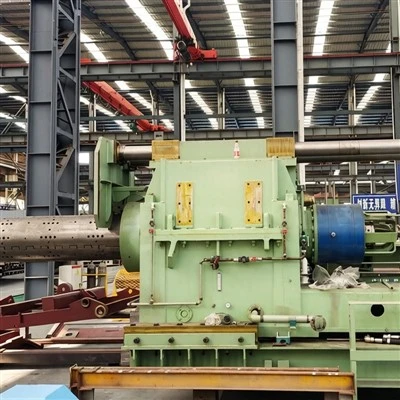
The Basics of a Blast Furnace
First off, let’s get a bit of the background. A blast furnace is like the heart of a lot of metallurgical operations. It’s a massive structure, usually made of steel and lined with refractory bricks. These bricks are super important because they can handle the crazy high temperatures that go on inside the furnace.
The main job of a blast furnace is to smelt iron ore into pig iron. Pig iron is a basic form of iron that’s used as a starting material for making all sorts of steel products. You see, iron ore isn’t pure iron. It’s mixed with a whole bunch of other stuff like oxygen, silica, and various impurities. The blast furnace’s job is to separate the iron from these other elements.
How It Works
So, how does it actually do this separation? Well, it’s a multi – step process. First, you’ve got to load the furnace with a few key ingredients. The main ones are iron ore, coke (which is a form of coal that’s been processed to almost pure carbon), and limestone.
The iron ore is where we’re getting the iron from. The coke plays a couple of really important roles. Firstly, it acts as a fuel. When you fire up the furnace, the coke burns at a really high temperature, providing the energy needed for all the chemical reactions that are about to happen. Secondly, it acts as a reducing agent. This means it helps to remove the oxygen from the iron ore.
The limestone is there to act as a flux. A flux is a substance that helps to remove impurities. When the limestone is heated in the furnace, it breaks down into calcium oxide (lime). This lime then reacts with the silica and other impurities in the iron ore to form a substance called slag. The slag is less dense than the molten iron, so it floats on top, making it easier to separate.
Once everything is loaded into the furnace, hot air is blasted into the bottom. That’s where the name “blast furnace” comes from. This hot air makes the coke burn even more vigorously, raising the temperature inside the furnace to around 1500 degrees Celsius. At this temperature, the iron ore is reduced to iron, and all the chemical reactions I mentioned earlier take place.
The molten iron then collects at the bottom of the furnace, while the slag floats on top. There are tap holes at the side of the furnace. One is for tapping off the molten iron, and the other is for removing the slag. This process can run continuously for months, sometimes even years, as long as you keep feeding in the right materials.
Why It’s So Important in Metallurgy
Now, you might be thinking, “Okay, that’s how it works, but why is it so important?” Well, there are a few reasons.
For starters, steel is one of the most widely used materials in the world. It’s used in construction, transportation, manufacturing, and so many other industries. And since pig iron is the foundation for making steel, the blast furnace is absolutely crucial for the steel – making process. Without it, we wouldn’t be able to produce the large quantities of iron needed to make all the steel products we rely on every day.
Another reason is efficiency. Blast furnaces are designed to be really efficient at converting iron ore into pig iron. Once they’re up and running, they can process huge amounts of material in a relatively short period. This means that they can meet the high demand for iron and steel in the global market.
Challenges and Innovations
Of course, like any piece of industrial equipment, blast furnaces aren’t without their challenges. One of the biggest issues is energy consumption. Burning all that coke and maintaining those high temperatures takes a lot of energy. This not only costs a lot of money but also has an environmental impact. The burning of coke releases carbon dioxide, a greenhouse gas that contributes to climate change.
To address these challenges, there have been a lot of innovations in blast furnace technology. For example, some companies are looking into using alternative fuels instead of coke. Biomass, natural gas, and hydrogen are all being explored as potential substitutes. These fuels can produce less carbon dioxide when burned, which is better for the environment.
There are also improvements being made to the design of the furnace itself. New refractory materials are being developed that can withstand higher temperatures and last longer, reducing the need for frequent repairs and replacements. And advanced control systems are being installed to optimize the operation of the furnace, making it more energy – efficient.
Our Role as a Supplier
As a metallurgical equipment supplier, we play a key role in all of this. We’re responsible for providing high – quality blast furnaces and related components to our customers. That means working with them to understand their specific needs, whether they’re a small – scale steel producer or a large industrial operation.
We offer a range of blast furnace solutions, from basic models to more advanced, customized designs. Our team of experts is always on hand to provide technical support, from installation and commissioning to maintenance and troubleshooting. We also keep up with the latest industry trends and innovations, so we can offer our customers the most efficient and environmentally friendly options.
In addition to the furnaces themselves, we also supply all the necessary ancillary equipment, like hot blast stoves, gas cleaning systems, and slag – handling equipment. This ensures that our customers have a complete solution for their metallurgical needs.
Time to Connect
If you’re in the market for a blast furnace or any other metallurgical equipment, I’d love to have a chat with you. Whether you’re just starting out and need some advice on the best equipment for your operation or you’re looking to upgrade your existing setup, we’ve got the knowledge and experience to help.
Exhaust Heat Recovery System Don’t hesitate to reach out to us for a consultation. We can discuss your specific requirements, provide you with a quote, and answer any questions you might have. Let’s work together to find the perfect solution for your metallurgical needs.
References
- “Ironmaking and Steelmaking: Theory and Practice” by George E. F. Davidson
- “The Making, Shaping and Treating of Steel” by the Steel Manufacturers Association
Jiangsu Dongfang Whole-Set Equipment Manufacturing Group Co., Ltd.
We are one of the most professional metallurgical equipment manufacturers and suppliers in China, also support customized service. With abundant experience, we warmly welcome you to buy durable metallurgical equipment from our factory. If you have any enquiry about pricelist, please feel free to email us.
Address: No. 9, Industrial Park, Xinqiao Town, Jingjiang City, Jiangsu Province
E-mail: dfctwm@163.com
WebSite: https://www.dongfangequip.com/
