Hey there! I’m working as a supplier of auxiliary equipment, and let me tell you, the role our stuff plays in shaping the quality of the final product is huge. In this blog, I’ll break down how auxiliary equipment affects that end – product quality. Auxiliary Equipment
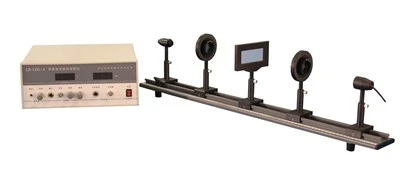
Temperature Control
One of the key jobs of auxiliary equipment is to control temperature. Take plastic manufacturing as an example. During the injection – molding process, the temperature needs to be spot – on. If it’s too high, the plastic might degrade, causing weaknesses in the final product. It could lead to things like warping, where the shape of the plastic part doesn’t come out right. On the flip side, if the temperature is too low, the plastic won’t flow properly into the mold, which may result in incomplete filling and voids in the product.
Our temperature – control equipment helps keep the temperature stable. We’ve got heaters and coolers that work in tandem. For instance, the heaters warm up the material to the right melting point, and then the coolers quickly bring the temperature down once the material is in the mold to solidify it. This precise temperature management ensures that the plastic parts we make have the right strength, shape, and surface finish.
Material Handling
Good material handling is essential for product quality. Auxiliary equipment in this area includes things like conveyors, hoppers, and blenders. A conveyor is simply a moving belt that transports raw materials from one place to another. If the conveyor isn’t working well, materials might get stuck or unevenly distributed. This can lead to inconsistencies in the final product.
Hoppers are used to store and dispense materials. They should be able to provide a constant and even flow of materials into the production process. If a hopper malfunctions and releases too much or too little material at once, it can mess up the entire production. For example, in a food – processing plant, if the hopper dispenses too much flour into the mixing machine, the dough might end up too dry, and the final baked goods will be hard and unappetizing.
Blenders are used to mix different materials together. In the paint industry, for example, you need to mix pigments, solvents, and binders evenly. If the blender doesn’t do its job properly, the paint might have streaks or uneven color distribution. Our high – quality material – handling auxiliary equipment is designed to prevent these issues. They ensure that materials are moved, stored, and blended in the most efficient and accurate way possible.
Quality Testing
Auxiliary equipment also plays a big role in quality testing. We have sensors and detectors that can check various aspects of the product during the production process. In a car – manufacturing plant, there are sensors that can detect if a door panel has the right dimensions. If the dimensions are off, the door might not fit properly when it’s assembled onto the car.
We also have equipment that can test the strength and durability of a product. For example, a tensile – testing machine can pull on a piece of metal to see how much force it can withstand before breaking. This kind of testing helps ensure that the final product meets the required safety and performance standards. Our quality – testing auxiliary equipment gives manufacturers real – time data about the product’s quality. They can make adjustments to the production process right away if they detect any problems, which ultimately leads to a higher – quality final product.
Energy Efficiency
Believe it or not, the energy – efficiency of auxiliary equipment can impact the quality of the final product. When auxiliary equipment uses energy efficiently, it can provide a more stable environment for production. For example, an energy – efficient air – conditioning system in a clean – room environment helps maintain a consistent temperature and humidity level.
In electronics manufacturing, even a small change in temperature or humidity can cause problems. Components might not function properly, or there could be issues with soldering. Our energy – efficient equipment helps minimize these risks. By reducing energy consumption, it also saves costs for the manufacturers. This means they can invest more in other areas of product development, which can further improve the quality of the final product.
Maintenance and Reliability
The reliability of auxiliary equipment is crucial for product quality. If the equipment breaks down frequently, it can cause disruptions in the production process. These disruptions can lead to inconsistent product quality. For example, if a cooling system in a chemical plant fails, the chemical reaction might not proceed as planned, resulting in a sub – standard product.
Regular maintenance of auxiliary equipment is also important. We offer maintenance services and provide spare parts to ensure that our customers’ equipment is always in top – notch condition. When the equipment is well – maintained, it operates more smoothly, and the chances of producing high – quality products increase significantly.
Customization
Every manufacturing process is unique, and that’s why we offer customized auxiliary equipment. Some manufacturers might need a special conveyor belt with a certain width or length to fit their production line. Others might require a temperature – control system with a specific temperature range.
By providing customized solutions, we help manufacturers optimize their production processes. This customization ensures that the auxiliary equipment works exactly as it should for their specific needs. And when the auxiliary equipment fits well into the production process, it has a positive impact on the quality of the final product.
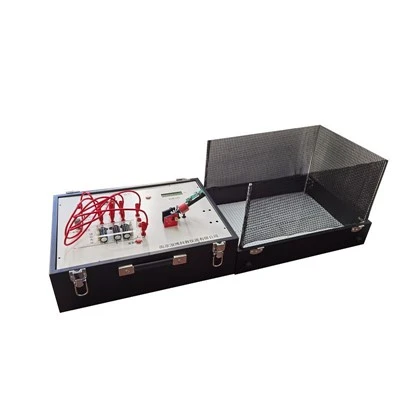
In conclusion, auxiliary equipment has a wide – ranging and significant impact on the quality of the final product. From temperature control to material handling, quality testing, energy efficiency, maintenance, and customization, every aspect of our auxiliary equipment plays a part in ensuring that the end product meets the highest standards.
Optical Instruments If you’re in the market for reliable and high – quality auxiliary equipment, I’d love to have a chat with you. We can discuss your specific needs and how our equipment can help improve the quality of your final products. Reach out to me, and let’s start a conversation about taking your production to the next level.
References
- "Manufacturing Engineering Handbook", various contributors.
- "Quality Control in Industrial Production", John Thompson.
- "Energy – Efficient Equipment in Manufacturing", Sarah Smith.
Nanjing Longbow Scientific&Educational Instrument Co., Ltd.
As one of the most professional auxiliary equipment manufacturers and suppliers in China, we’re featured by quality products and good service. Please rest assured to buy customized auxiliary equipment from our factory. If you have any enquiry about pricelist, please feel free to email us.
Address: Room D, 22th floor, No.305, North Jiangdong Road, Nanjing,Jiangsu Province, China
E-mail: 79425380@qq.com
WebSite: https://www.lb-physics.com/
