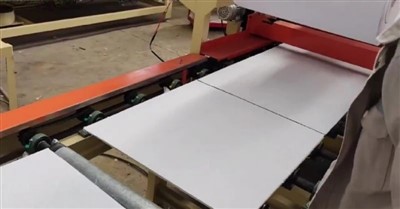
In the construction and decoration industry, PVC gypsum boards have gained significant popularity due to their versatility, aesthetic appeal, and cost – effectiveness. As a reputable supplier of PVC gypsum board production lines, I am frequently asked about the heat resistance of the products manufactured by our production lines. This blog aims to provide a comprehensive understanding of the heat – resistance characteristics of PVC gypsum boards produced using our advanced technology. PVC Gypsum Board Production Line
Understanding PVC Gypsum Boards
Before delving into heat resistance, it is crucial to understand the composition of PVC gypsum boards. These boards are typically made by combining polyvinyl chloride (PVC) and gypsum. PVC is a synthetic plastic polymer known for its durability, flexibility, and chemical resistance. Gypsum, on the other hand, is a soft sulfate mineral composed of calcium sulfate dihydrate. It is widely used in construction materials because of its fire – retardant properties, good insulation, and ability to harden quickly.
The combination of PVC and gypsum creates a board that combines the best of both materials. The PVC layer provides a smooth, shiny finish that is resistant to moisture, stains, and scratches. Meanwhile, the gypsum core offers strength, stability, and fire – resistant qualities.
Heat Resistance Mechanisms of PVC Gypsum Boards
The heat resistance of PVC gypsum boards is mainly attributed to the properties of gypsum. Gypsum contains water molecules within its crystal structure. When exposed to high temperatures, the water in the gypsum begins to evaporate. This process, known as endothermic reaction, absorbs a significant amount of heat energy from the surrounding environment. As a result, the temperature rise of the board is slowed down, and it can maintain its structural integrity for a certain period.
In addition, the evaporation of water from the gypsum creates a layer of water vapor around the board. This vapor acts as a thermal barrier, preventing the further spread of heat and protecting the underlying structure.
Furthermore, the PVC layer on the surface of the board can also contribute to heat resistance to some extent. PVC has a relatively high melting point compared to many other plastics. It can withstand moderate heat without deforming immediately, providing an additional layer of protection for the gypsum core.
Heat Resistance Testing and Standards
To evaluate the heat resistance of PVC gypsum boards produced by our production line, we conduct a series of standardized tests. One of the most common tests is the fire – resistance test, which measures how long the board can withstand exposure to high temperatures without losing its structural integrity or allowing the spread of fire.
In many countries, building codes and standards have set specific requirements for the fire – resistance rating of construction materials, including PVC gypsum boards. For example, in the United States, the National Fire Protection Association (NFPA) has developed standards for fire – rated assemblies. A common rating for interior partitions made of PVC gypsum boards is 1 – hour or 2 – hour fire resistance, which means the board can maintain its integrity for 1 or 2 hours under specified fire conditions.
Our PVC gypsum boards have been tested to meet or exceed these industry standards. During the testing process, we expose the boards to a controlled fire environment with a specific temperature – time curve. We measure parameters such as the back – side temperature of the board, the occurrence of cracks or holes, and the passage of flames through the board. Based on the test results, we can determine the fire – resistance rating of the boards and ensure that they are safe and reliable for use in various construction applications.
Factors Affecting Heat Resistance
Although PVC gypsum boards have inherent heat – resistant properties, several factors can affect their actual performance under high – temperature conditions.
Board Thickness
Thicker PVC gypsum boards generally have better heat resistance than thinner ones. This is because a thicker board contains more gypsum, which means more water is available for the endothermic reaction during heating. Additionally, a thicker board provides more insulation and can slow down the heat transfer process.
PVC Quality
The quality of the PVC layer on the board also plays a role in heat resistance. High – quality PVC with a higher melting point and better thermal stability can withstand higher temperatures without deforming or releasing harmful gases. Our production line uses premium – grade PVC materials to ensure the best possible heat – resistance performance of the boards.
Installation Method
Proper installation is essential for maximizing the heat resistance of PVC gypsum boards. If the boards are not installed correctly, there may be gaps or joints that allow heat and flames to penetrate. We provide detailed installation guidelines to our customers to ensure that the boards are installed tightly and securely, minimizing the risk of heat transfer through the joints.
Applications and Advantages in High – Temperature Environments
PVC gypsum boards produced by our production line are suitable for a wide range of applications, including both residential and commercial buildings, especially in areas where heat resistance is a concern.
Interior Partitions
In commercial buildings such as offices, hotels, and hospitals, PVC gypsum boards can be used to create interior partitions. These partitions not only provide privacy and separation but also act as fire – barriers. In case of a fire, the heat – resistant properties of the boards can help contain the fire within a specific area, giving people more time to evacuate and reducing property damage.
Ceilings
PVC gypsum board ceilings are popular in many buildings due to their aesthetic appeal and ease of installation. In high – temperature environments such as kitchens or boiler rooms, our heat – resistant PVC gypsum boards can prevent heat from transferring to the upper floors, improving energy efficiency and enhancing safety.
Fire – Rated Enclosures
Our PVC gypsum boards can also be used to construct fire – rated enclosures for electrical equipment, stairwells, and elevator shafts. These enclosures are designed to protect the equipment or provide a safe passage for people during a fire. The superior heat – resistance of our boards ensures that the enclosures can meet the strict fire – safety requirements of building codes.
Conclusion
In summary, the heat resistance of PVC gypsum boards produced by our PVC gypsum board production line is a result of the unique combination of PVC and gypsum. The endothermic reaction of gypsum and the additional protection provided by the PVC layer make these boards highly effective in withstanding high temperatures and preventing the spread of fire.
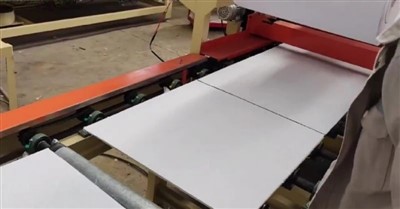
We take pride in the quality and performance of our production line and the products it manufactures. Our PVC gypsum boards have passed rigorous testing and meet international standards for heat resistance. Whether you are involved in a small – scale renovation project or a large – scale commercial construction, our heat – resistant PVC gypsum boards can provide a reliable and cost – effective solution.
PVC Gypsum Board Production Line If you are interested in learning more about our PVC gypsum board production line or purchasing our products, please feel free to contact us for a detailed discussion. We are committed to providing you with the best products and services to meet your specific needs.
References
- ASTM International. (20XX). Standard test methods for fire tests of building construction and materials.
- National Fire Protection Association. (20XX). NFPA 251: Standard methods of fire tests of building construction and materials.
- Building Research Establishment. (20XX). Fire performance of building materials and structures.
Hebei Enjoy Technology Co., Ltd.
Hebei Enjoy Technology Co., Ltd. is one of the most professional manufacturers and suppliers of PVC gypsum board production line in China. With abundant experience, we warmly welcome you to buy high quality building material machinery made in China here from our factory. Contact us for more details.
Address: Jiuling Building, Xinhua District, Shijiazhuang City, Hebei Province, China
E-mail: Betty@seyibm.com
WebSite: https://www.enjoymachinery.com/
