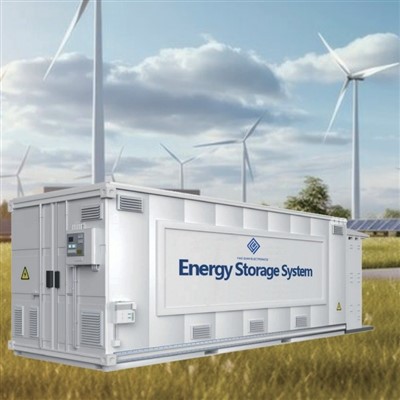
As a seasoned manufacturer and supplier deeply entrenched in the lead – acid battery industry, I often encounter a recurring question: Can a lead – acid battery be used in a stationary energy storage system? The answer is a resounding yes, and in this blog, I’ll delve into the details of why lead – acid batteries are a viable option for stationary energy storage, exploring their strengths, limitations, and how they stack up against other competitors in the market. Lead-Acid Battery
The Basics of Lead – Acid Batteries
Lead – acid batteries have a long and storied history, dating back to 1859 when they were first invented by Gaston Planté. These batteries operate on a simple electrochemical principle. They consist of a lead anode, a lead dioxide cathode, and a sulfuric acid electrolyte. When the battery discharges, a chemical reaction occurs that converts lead and lead dioxide into lead sulfate, releasing electrical energy in the process. During charging, the reaction is reversed.
This well – understood technology has several key characteristics. One of the most prominent is their relatively low cost. The raw materials used in lead – acid batteries, such as lead, sulfuric acid, and plastic for the casing, are widely available and inexpensive compared to some of the materials used in other battery chemistries. This makes lead – acid batteries an attractive option for large – scale stationary energy storage where cost is a significant consideration.
Advantages for Stationary Energy Storage
Cost – effectiveness
Cost is often the primary factor when it comes to large – scale stationary energy storage projects. Lead – acid batteries offer a cost – effective solution for both initial purchase and installation. For utility – scale energy storage systems, where thousands of battery units may be required, the lower upfront cost of lead – acid batteries can result in significant savings. This is especially true for applications where the energy storage requirements do not demand extremely high – performance or long – duration cycling, such as basic load – leveling and emergency backup power.
Safety and Familiarity
Safety is paramount in energy storage systems. Lead – acid batteries have been in use for over a century, and their safety profile is well – documented. The materials used are commonly understood by technicians and engineers, and there are well – established protocols for handling, installation, and maintenance. In contrast, some newer battery chemistries may come with unique safety challenges that require additional training and specialized equipment. The familiarity of lead – acid batteries also means that they can be easily integrated into existing power infrastructure, reducing the complexity and cost of implementation.
High Discharge Current
Lead – acid batteries are capable of delivering high discharge currents, which is essential for applications where a large amount of power is needed quickly. For example, in a stationary energy storage system used for backup power in a commercial building, when the grid goes down, the battery must be able to supply power to critical loads such as elevators, lighting, and HVAC systems instantaneously. The high discharge current capabilities of lead – acid batteries make them well – suited for such scenarios.
Limitations of Lead – Acid Batteries in Stationary Energy Storage
Limited Cycle Life
One of the major drawbacks of lead – acid batteries is their relatively limited cycle life compared to some other battery chemistries. A cycle refers to a complete charge and discharge of the battery. Lead – acid batteries typically have a cycle life in the range of a few hundred to a few thousand cycles, depending on factors such as the depth of discharge, charging rate, and operating temperature. In stationary energy storage applications that require frequent cycling, such as daily peak – shaving, this limited cycle life can result in more frequent battery replacements, increasing the long – term cost of the system.
Low Energy Density
Energy density is a measure of how much energy a battery can store per unit of volume or mass. Lead – acid batteries have a relatively low energy density compared to lithium – ion batteries, for example. This means that for a given amount of stored energy, lead – acid batteries will take up more space and weigh more. In applications where space is limited, such as in urban energy storage facilities or on rooftops, the low energy density of lead – acid batteries can be a significant disadvantage.
Maintenance Requirements
Lead – acid batteries require regular maintenance to ensure optimal performance and longevity. This includes tasks such as checking and topping up the electrolyte levels, equalizing charges, and monitoring the battery’s state of health. In a large – scale stationary energy storage system with hundreds or thousands of batteries, the maintenance workload can be substantial. Additionally, improper maintenance can lead to reduced battery life and performance, further increasing the overall cost of the system.
Comparison with Other Battery Chemistries
Lithium – ion Batteries
Lithium – ion batteries have gained significant popularity in recent years due to their high energy density, long cycle life, and relatively low self – discharge rate. They are often used in applications such as electric vehicles and high – performance stationary energy storage systems. However, lithium – ion batteries are more expensive than lead – acid batteries, both in terms of the initial purchase price and the cost of the associated battery management systems. For cost – sensitive stationary energy storage projects, lead – acid batteries may still be the more practical choice.
Flow Batteries
Flow batteries are another option for stationary energy storage. They offer the advantage of decoupling power and energy storage, allowing for flexible system design. Flow batteries also have a long cycle life and can operate at a wide range of temperatures. However, flow batteries are relatively complex and expensive to install and operate. They also require a larger footprint compared to lead – acid batteries. In some cases where simplicity and cost are key, lead – acid batteries may be a better fit.
Applications of Lead – Acid Batteries in Stationary Energy Storage
Uninterruptible Power Supplies (UPS)
Lead – acid batteries are widely used in UPS systems. These systems are designed to provide emergency power to critical loads in the event of a power outage. The high discharge current capabilities and relatively low cost of lead – acid batteries make them an ideal choice for UPS applications. They can quickly provide power to keep essential equipment running until the main power source is restored or until a backup generator kicks in.
Off – Grid Power Systems
In off – grid power systems, such as those used in remote areas or on boats, lead – acid batteries are often used to store energy generated from renewable sources such as solar panels or wind turbines. The ability of lead – acid batteries to handle high discharge currents and their relatively low cost make them suitable for these applications. However, in off – grid systems where long – term reliability and high – performance are crucial, the limited cycle life of lead – acid batteries may need to be carefully considered.
Grid – Scale Energy Storage for Load – Leveling
Lead – acid batteries can also be used in grid – scale energy storage systems for load – leveling purposes. Load – leveling involves storing excess energy during periods of low demand and releasing it during periods of high demand. While the limited cycle life of lead – acid batteries may be a concern in this application, their cost – effectiveness can make them a viable option for short – to medium – term load – leveling projects.
Conclusion and Call to Action
In conclusion, lead – acid batteries can indeed be used in stationary energy storage systems, and they offer several advantages, including cost – effectiveness, safety, and high discharge current capabilities. However, they also have limitations, such as limited cycle life, low energy density, and high maintenance requirements. The suitability of lead – acid batteries for a particular stationary energy storage application depends on a variety of factors, including cost, performance requirements, and available space.
Energy Storage System If you are considering a stationary energy storage project and are interested in exploring the potential of lead – acid batteries, I encourage you to reach out to me. As a trusted lead – acid battery supplier, I can provide you with detailed information about our products, help you assess their suitability for your specific needs, and offer competitive pricing. Let’s start a conversation about how lead – acid batteries can play a role in your energy storage solution.
References
- Linden, D., & Reddy, T. B. (2002). Handbook of Batteries. McGraw – Hill.
- Kaushik, S. C., & Ahluwalia, R. (2009). Thermal management of lead – acid batteries. Renewable and Sustainable Energy Reviews, 13(3), 611 – 618.
- Burke, A. F. (2007). Battery and ultracapacitor applications for electric, hybrid electric, and fuel cell vehicles. Journal of Power Sources, 168(2), 269 – 276.
Shandong Yaoqian Energy Storage International Trade Co., Ltd.
We’re well-known as one of the leading lead-acid battery manufacturers and suppliers in China, featured by quality products and good price. Please rest assured to buy customized lead-acid battery made in China here from our factory.
Address: Lithium Battery Industrial Park, Xingcheng Street, Zaozhuang High-tech Zone, Shandong Province, China
E-mail: boss@yaoqiansmart.com
WebSite: https://www.yaoqiansmart.com/
