If you’ve ever stared at a stack of damp, musty-smelling towels, workout gear, or even a comforter and wondered which dryer’s worth your time and cash, you’re not alone. For years, tumble dryers were the go-to for most households, but combined dryers have been popping up more and more lately—especially for folks short on space or tired of those annoying tumble dryer quirks. As someone who’s been supplying combined dryers for a minute, I get the confusion: which one actually saves you money, works better, and is worth the upgrade? Let’s break this down without all the fancy jargon, no textbook stuff, just real talk. Combined Dryer
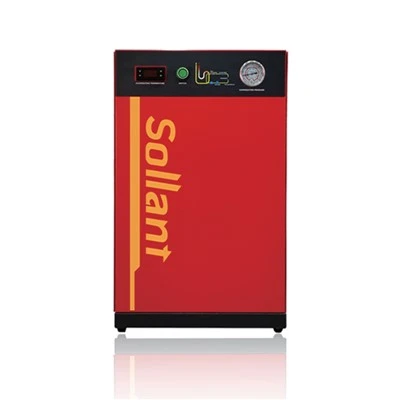
First, let’s get the basics straight, because a lot of people mix these two up. A standard tumble dryer is a standalone appliance that only does one thing: dry clothes. You load wet laundry in, tumble it with heated air, and vent the moist air outside your home. Simple, right? A combined dryer? That’s a unit that does two jobs in one: it washes your clothes and then dries them, all without moving the load to a separate machine. It’s a combo washer-dryer, basically, but built to be smaller and more efficient than stacking a separate washer and dryer on top of each other.
Wait, hold on—let’s talk size first, because space is the biggest headache for apartment dwellers, small homes, or anyone who doesn’t have a laundry room the size of a closet. A standard standalone tumble dryer is usually 27 to 29 inches wide, 28 to 30 inches deep, and about 36 inches tall. If you stack it on top of a washer, that adds even more height, and you still need that separate washer, so you’re taking up twice the floor space. A combined dryer? It’s typically 24 to 27 inches wide, same depth as a standard dryer, but around 34 to 40 inches tall. That’s almost a foot shorter than a stacked washer-dryer set. For city apartments where every square inch counts, that’s a game-changer. I’ve had so many customers tell me they fit a combined dryer in a closet nook that would’ve been too tiny for a stack. No more clearing out half the hall just to get laundry done.
Next up, energy use—this is where the numbers get interesting, and a lot of people are surprised. Tumble dryers are notorious for guzzling power, especially if you’re using a vented model. Ventless tumble dryers (yeah, those exist too) still use a lot of energy because they have to heat air hot enough to evaporate moisture, and then cool it down to condense the water. Combined dryers, on the other hand, use heat pump technology in most models these days, right? That’s the big selling point. Heat pumps don’t create heat from scratch—they move heat from one place to another, kind of like how your fridge works. So instead of using 3,000 watts like a standard tumble dryer, a combined dryer uses around 1,800 to 2,200 watts. That adds up big time on your utility bill. I had a customer last month who switched from a tumble dryer to our combined model and saved almost $15 a month on electricity. For a family that does laundry 3 times a week, that’s $180 a year—enough for a weekend trip, or a whole bunch of new socks.
But wait, let’s not pretend combined dryers are perfect. A big complaint I hear is about drying capacity. A standard tumble dryer can hold a big comforter, a load of 12 towels, or a king size sheet set no problem. Most combined dryers hold between 1.5 to 2.5 cubic feet of dry laundry, which translates to about 8 to 12 pounds. That’s fine for small loads—like your workout gear, a few shirts, or 4 tea towels—but if you’re doing a load of bedding or a week’s worth of jeans for a family of four, you’re either loading it in batches or dealing with a unit that’s too small. I always tell customers: if you’re a single person or a couple, combined is great. If you have kids and do large loads, a tumble dryer with a big capacity is still better.
Another thing: drying time. Tumble dryers dry a load in 30 to 45 minutes, usually. Combined dryers? They take way longer—anywhere from 1.5 to 3 hours, depending on how wet the clothes are. Because they’re using that heat pump tech, which runs slower to be efficient. A lot of people hate waiting that long, especially if they need clothes right away. I get it—if you’re rushing for a job interview and your only work shirt is wet, a tumble dryer will get it dry in an hour, no questions. A combined dryer will take twice that.
Maintenance is another point. Tumble dryers, whether vented or ventless, have simple maintenance: you just have to clean the lint filter after every load, and for vented models, clean the vent hose once a year to prevent fire hazards. Combined dryers have two lint filters—one for the washer side, one for the dryer side—and you also have to clean the condenser (that’s the part that catches the moisture) every few months. If you skip that, the drying efficiency drops, and you might even get moldy smells. I always send customers a quick guide when they order, but it’s one more chore you don’t have with a tumble dryer.
Cost is a big one too. A standard 27-inch vented tumble dryer starts at around $400 to $600, and ventless models are a little more, $700 to $1,000. A combined dryer? You’re looking at $800 to $1,500, depending on the brand and capacity. Yeah, it’s more expensive upfront. But remember that energy savings I mentioned earlier? Over 5 to 10 years, that adds up to more than the difference in price. I’ve had customers who calculated that their combined dryer paid for itself in about 4 years, thanks to lower electricity bills. Plus, if you were going to buy a separate washer and dryer anyway, the combined unit is often cheaper than buying both a washer and a mid-range tumble dryer. That’s another angle: if you don’t have a washer already, the combined dryer is a one-stop shop, so you don’t have to invest in two big appliances at once.
Wait, what about fabric care? That’s something a lot of people worry about. Tumble dryers can be rough on delicate items, right? The high heat and constant tumbling can shrink sweaters, fade dark clothes, and make linens scratchy. Most modern combined dryers have gentler drying cycles—lower heat, slower tumble—because they’re designed to handle smaller loads. But if you’re drying a lot of delicate fabrics, some customers still prefer a tumble dryer with a dedicated delicate cycle that can handle larger items without roughing them up. I will say, though, that the best combined dryers have cycle settings similar to tumble dryers—things like steam refresh, quick dry, and delicate—so that gap is closing fast.
Let’s talk about the real-world use cases, because that’s where it all matters. If you’re a college student living in a studio apartment, no space for a stackable washer-dryer? Combined dryer is the only way. You can wash and dry all your clothes in one go, no going down to the laundry room every other day. If you’re a young couple in a small condo, same thing—you don’t have a big laundry room, so the smaller footprint is worth the slightly longer drying time. If you’re a family of four with a big basement laundry room? Standalone tumble dryer, no contest—you can dry a full load of sheets and towels in 40 minutes, no waiting around for 2 hours.
Another thing a lot of people don’t mention: installation. Tumble dryers are super easy to install if you already have a vent hook-up. You just plug it in, run the vent hose out the window, and you’re done. Combined dryers? Most are ventless, so you don’t need a vent, which is perfect if you don’t have an outside wall for a vent. That’s a huge win for apartments where you can’t modify the walls to add a vent. The only installation step for a combined dryer is hooking up the water line for the washer part, which is similar to hooking up a standard washer. No extra work for venting, which saves you the cost of hiring an electrician or handyman to run a vent.
I’ve had customers come to me saying they regret getting a tumble dryer because of the space issue, and then switch to a combined dryer and love it. But I’ve also had families come to me saying they tried a combined dryer and it was too small for their big loads, so they went back to a tumble. At the end of the day, it all comes down to your lifestyle: space, laundry size, budget, and how fast you need your clothes.
If you’re in the market for a dryer and still not sure which one is right for you, or you want to check out what combined dryers have to offer, don’t hesitate to reach out to our team to talk through your needs. We’ve been working with customers for years, and we can help you pick the right size, cycle settings, and efficiency that fits your home. No hard sell, just straight talk about what works for your laundry routine.
Nitrogen Generator References
- U.S. Department of Energy, "Appliance Energy Use Chart," 2023.
- Consumer Reports, "Combination Washer-Dryer Review Guide," 2024.
- Home Improvement Research Institute, "Laundry Appliance Space & Efficiency Trends," 2022.
- Energy Star, "Heat Pump Dryer Energy Savings Analysis," 2023.
Shanghai Sollant Energy Saving Technology Co., Ltd.
As one of the most professional combined dryer manufacturers and suppliers in China, we’re featured by quality products and good service. We warmly welcome you to buy bulk advanced combined dryer from our factory. If you have any enquiry about cooperation, please feel free to email us.
Address: No.215, Songri Center, Beihongqiao, Jiading District, Shanghai, China
E-mail: info4@sollant.com
WebSite: https://www.sollanttreatment.com/
