Hey there, if you’re staring at a parking lot full of different trucks and thinking “which one the heck do I actually need for my business?” — you’re not alone. I’ve been in the truck game for over 12 years now, and I can’t tell you how many times a new owner-operator, small construction crew, or local delivery manager has walked into my shop (or messaged me randomly, thanks to our quick reply texts) panicking about picking the wrong truck. Let’s cut the jargon — no “light-duty Class 2 pickups” nonsense that makes your eyes glaze over — and break this down like we’re chatting over a cold soda after a long day on the road. Trucks
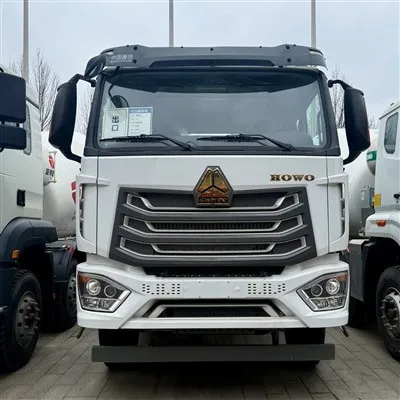
First off, let’s get one basic truth out of the way: there’s no “one best truck” for every business. A guy running a flower delivery service in Chicago’s tight downtown alleys doesn’t need the same rig as a roofing contractor hauling 20-foot ladders and 100-pound shingles up and down Florida’s backroads. I see people all the time grab the biggest, baddest truck on the lot because it “looks cool” and then call me a month later complaining it’s impossible to parallel park or gets 5 miles per gallon on city runs. Trust me, cool doesn’t pay the bills — but the right truck for your specific grind does.
Let’s start with the big question: what are you actually hauling, and how far? That’s non-negotiable. If your business is delivering Amazon packages locally, or dropping off groceries to seniors in a 20-mile radius, you don’t need a heavy-duty semi with a sleeper cab. A full-size or even midsize cargo van (we’ve got plenty of those, by the way) will save you thousands on gas and be way easier to navigate. But if you’re a general contractor hauling gravel, lumber, or scissor lifts for jobs that are an hour or more away? You’ll need something with a higher towing and payload capacity. Payload, for the uninitiated, is the total weight your truck can carry in the bed plus passengers and gear. Towing is the weight you can pull behind a trailer — that’s the big one for people hauling boats, trailers full of equipment, or even mobile food setups if you’re in that space.
Wait, let’s use real examples, not just textbook stuff. Last year, a lady named Maria came in wanting a truck for her new wedding flower business. She thought she needed a 1-ton dually because she’d seen other flower vendors with big trucks. But when we chatted, she told me she only carries buckets of blooms, a few vases, and her delivery driver’s backpack. No heavy equipment, no long hauls. We ended up getting her a Ram 1500 with a tonneau cover — it fits all her stuff, gets 18 mpg on highway runs to wedding venues, and she doesn’t have to fight to park outside small downtown chapels. Six months later, she texted me a pic of her and her team loading up that truck, grinning, saying she saved $3,000 in gas alone compared to the guy down the street who overbought a truck and complains about it every time he fills up. That’s the stuff that matters.
Next up: where do you actually drive this truck? If your whole route is on smooth city streets and paved highways, you’ve got way more options than if you’re bouncing over dirt logging roads, muddy construction sites, or snow-covered mountain passes in winter. I live in a part of Ohio where half the year is slush and half is dirt job sites, so I can’t tell you how many times I’ve advised people against 2-wheel-drive trucks for that scenario. Now, if you’re only driving on paved roads? 2WD is fine, and it’ll give you better gas mileage. But if your work takes you off-road a few times a week, or you’re in an area with bad weather most of the year, you’ll want 4WD (or all-wheel-drive, if you’re in a van for delivery work). One caveat: 4WD adds weight and cost, so only get it if you actually need it. A landscaping guy I know up in Maine bought a 4WD truck “just in case” and ended up paying $5,000 more for something he only used twice in three years. Waste of money, if you ask me.
Then there’s the whole cab and bed size thing, which is way more important than most people think. Do you need to bring a team of three guys to every job, or are you a solo operator? If it’s the latter, a regular cab (only two seats, no back row) gives you more bed space for gear and is cheaper. If you’ve got a crew, a crew cab (four full doors, back seats that fit adults comfortably) is non-negotiable — don’t make your guys cram into a tiny back seat for 8-hour days, they’ll hate the job and you’ll turn over staff faster. As for the bed? If you’re hauling long lumber, ladders, or furniture, a long bed (8 feet usually) is a must. But if you’re just carrying smaller stuff, a short bed (5.5 or 6 feet) is easier to maneuver and fits in regular parking spots. I once had a construction foreman come in arguing he needed an 8-foot bed for his job sites, but when we calculated most of his loads were under 6 feet, he agreed a short bed with a ladder rack would work — saved him $4,000 on the truck price.
Wait, let’s talk about budget, because that’s the elephant in the room for every business. I get it — you don’t want to blow your whole start-up budget on a truck, but you also don’t want to buy something that breaks down every other week and costs you more in repairs than it makes you. Here’s my rule of thumb: don’t stretch your budget so thin that you can’t afford maintenance, insurance, or unexpected repairs. I see guys fall for cheap used trucks all the time that look good on the lot but have 200,000 miles and hidden engine issues. If you’re buying new, don’t just look at the sticker price — calculate the total cost of ownership for 5 years. That includes gas, insurance, maintenance, and resale value. For example, a Ford F-150 has better resale value than some other brands, so even if it’s $2,000 more upfront, you’ll get that back when you sell it. If you’re on a tighter budget, we have great low-mileage used trucks that we inspect top to bottom before they hit our lot — no lemons here, I promise.
Oh, and one thing almost no one thinks about: maintenance and parts availability. If you buy a super niche truck from a brand that only sells 1,000 units a year, when something breaks, you might wait a week for a part, and parts will be way more expensive. All the brands we carry have parts at every auto shop within 50 miles, so you won’t be stuck waiting around for weeks when your truck needs a fix. That’s a big deal for businesses — time is money, and a broken truck means no jobs, no cash.
Let’s circle back to some real client wins that still stick with me. Last spring, a small moving company came in — they had two trucks that were too small, and one that was too big, so they were missing jobs because they couldn’t handle large moves and wasting gas on small ones. We walked through their 100+ jobs from the last year, saw most moves were 2-3 bedrooms, and got them two Ram 2500 crew cabs with 6.5-foot beds. They told me three months later they landed three big corporate moves because they had the right size truck, and saved $1,200 a month on gas compared to their old fleet. That’s exactly why I do this — not just selling trucks, but helping businesses run better.
Wait, I should also mention use cases I didn’t cover. If you’re doing mobile work — like a food truck, a mobile vet clinic, or a landscaping truck with lawn care equipment — you’ll need to factor in custom upfits. We work with a great local upfit shop that can install shelving, lifts, generator mounts, whatever you need, so you don’t have to buy a truck and then retrofit it yourself (which usually costs more). If you’re pulling a trailer regularly, make sure your truck has the right tow package — not just a hitch, but a transmission cooler, heavy-duty suspension, and brake controllers. I see people hook a 10,000-pound trailer to a truck that only has a basic hitch and wonder why the transmission starts slipping after a month. Don’t be that guy.
Let’s recap to make this easy, no notes needed: 1. Figure out exactly what you’re hauling and how far — that’s your baseline for towing and payload. 2. Think about where you’re driving (paved vs. dirt vs. snow) to decide between 2WD and 4WD. 3. Match cab and bed size to your crew size and typical loads — don’t overbuy, but don’t underbuy. 4. Crunch the numbers on total cost of ownership, not just the upfront price. 5. Make sure parts and maintenance are easy to get, because downtime kills businesses.
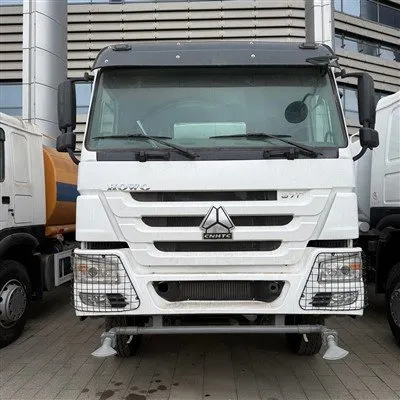
At the end of the day, the right truck isn’t the fanciest, or the biggest, or the cheapest. It’s the one that lets you do your job efficiently, without wasting money on gas or repairs, and lets you grow your business without stress. If you’re still stuck, or you have a specific scenario you want to run by someone who’s actually spent 12 years dealing with trucks and business owners, just reach out. I don’t do pushy sales tactics — I’ll tell you straight up if a truck isn’t right for you, even if it means you buy from someone else. But more often than not, I can help you narrow it down to a few options that fit your exact needs and budget. Stop guessing and start picking a truck that works for your business, not the other way around. Get in touch with us to chat through your requirements and check out our full fleet of trucks tailored for every kind of business — we’ll walk through every detail with you, no pressure, no jargon, just real advice from someone who gets it.
Side Board Trailer References:
- Society of Automotive Engineers. (2022). Medium and Heavy-Duty Truck Operating Cost & Performance Benchmarks.
- National Association of Small Trucking Companies. (2023). How to Select Commercial Vehicles for Small Business Fleet Growth.
- U.S. Department of Energy. (2024). Fuel Economy Guide for Commercial Work Trucks.
- Truck Equipment Manufacturers Association. (2022). Upfit Best Practices for Light, Medium, and Heavy-Duty Work Trucks.
Shandong Huayuanda Automobile Manufacturing Co., Ltd.
As one of the most experienced trucks manufacturers and suppliers in China, our products have good reputation in the market. We warmly welcome you to buy high quality trucks at low price from our factory. If you have any enquiry about cooperation, please feel free to email us.
Address: Industrial Park, Quanpu Town, Liangshan County, Jining City, Shandong Province
E-mail: Huayuanda2024@163.com
WebSite: https://www.hydtrailer.com/
