Deep drawn parts are widely utilized across various industries, from automotive to electronics, due to their high strength, precision, and cost – effectiveness. As a deep drawn parts supplier, I understand that the manufacturing process is just the first step. There are numerous scenarios where post – manufacturing modifications are necessary. In this blog, I’ll share some insights on how to modify deep drawn parts after they are manufactured. Deep Drawn Parts
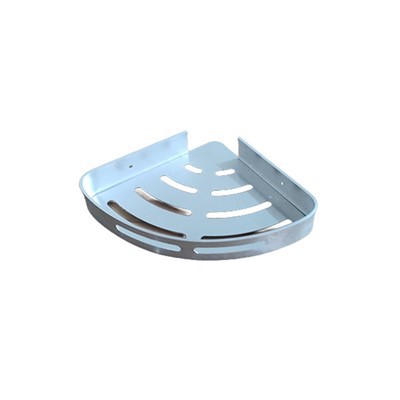
1. Understanding the Need for Modification
First, it’s critical to recognize why modifications are required. In many cases, the initial design might not fully meet the end – user’s needs. For example, in the automotive industry, changes in vehicle design or new safety regulations may demand alterations to deep drawn parts such as fuel tank components or engine covers.
In the electronics sector, advancements in technology could lead to a need for different cut – outs or mounting points on deep drawn enclosures. Another reason could be quality control issues. Sometimes, a small defect in the manufacturing process might make modification a more practical solution than scrapping the part.
2. Types of Modifications
2.1 Material Removal
One of the most common types of modifications is material removal. This can be achieved through various machining processes.
Milling: Milling is a versatile process that can be used to create flat surfaces, slots, and pockets on deep drawn parts. For instance, if we have a deep drawn electronic enclosure that requires precise mounting slots for circuit boards, we can use a milling machine. The milling cutter rotates at a high speed and removes material from the part. The key is to ensure the correct feed rate and cutting speed to avoid over – heating the material, which could cause warping or other defects.
Drilling: Drilling is used to create holes in deep drawn parts. Whether it’s for mounting screws, electrical wiring, or fluid passageways, accurate drilling is essential. We need to select the right drill bit based on the material of the part. For example, when drilling stainless steel deep drawn parts, a high – speed steel drill bit coated with titanium nitride can provide better performance and longer tool life.
Grinding: Grinding is often employed for finishing operations. It can be used to achieve a smooth surface finish or to remove small amounts of material to meet strict dimensional tolerances. For deep drawn parts that require a high – precision flat surface, surface grinding provides excellent results.
2.2 Material Addition
There are also cases where adding material to the deep drawn parts is necessary.
Welding: Welding can be used to attach additional components to the deep drawn part. For example, in the construction of metal frames, we might need to weld brackets or reinforcing bars to the deep drawn structural elements. Different welding processes are available, such as TIG (Tungsten Inert Gas) welding and MIG (Metal Inert Gas) welding. The choice of welding process depends on the material of the part, the required strength of the joint, and the aesthetic requirements.
Coating: Coating is a form of material addition that can enhance the performance of deep drawn parts. A protective coating can improve corrosion resistance, reduce friction, or provide electrical insulation. For instance, applying a zinc coating to a deep drawn steel part can prevent rusting, especially in outdoor or humid environments.
2.3 Shape Alteration
Sometimes, the shape of the deep drawn part needs to be changed.
Bending: Bending can be used to modify the geometry of a flat or semi – curved deep drawn part. Using a press brake, we can bend the part to the desired angle. However, it’s important to consider the material’s ductility and spring – back effect. Spring – back is the tendency of the material to return to its original shape after bending. To compensate for spring – back, we may need to over – bend the part slightly.
Stamping: Secondary stamping operations can be used to create embossments, protrusions, or recesses on the surface of deep drawn parts. This can be useful for adding branding, improving the grip, or creating additional structural features.
3. Challenges in Modifying Deep Drawn Parts
Modifying deep drawn parts is not without challenges.
Material Integrity: Any modification process can potentially compromise the material’s integrity. For example, excessive heat generated during welding or machining can cause changes in the material’s microstructure, leading to reduced strength or increased brittleness. To mitigate this, we need to carefully control the process parameters and use appropriate cooling methods.
Dimensional Accuracy: Maintaining dimensional accuracy is crucial, especially for parts that need to fit precisely into an assembly. Each modification process has its own sources of error. For example, in drilling, the drill bit may wander, causing the hole to be off – center. We need to use precision tools and fixtures to minimize dimensional variations.
Cost – Effectiveness: Modifying parts can add to the overall cost. It’s essential to assess whether the cost of modification is justified compared to the cost of manufacturing a new part. In some cases, minor modifications might be more cost – effective, while in others, it might be better to start from scratch.
4. Quality Control in Modification
Quality control is a must – have step in the modification process.
Inspection Tools: We use a variety of inspection tools to ensure the quality of modified deep drawn parts. Calipers, micrometers, and coordinate measuring machines (CMMs) are commonly used to measure dimensions and ensure they meet the specified tolerances. Non – destructive testing methods, such as ultrasonic testing and X – ray inspection, can be used to detect internal defects in the part.
Testing Procedures: In addition to dimensional inspection, we also conduct functional testing. For example, if the deep drawn part is a component in a hydraulic system, we test it for leaks and pressure resistance. If it’s an electrical enclosure, we test it for electrical insulation and electromagnetic shielding effectiveness.
5. Expertise and Experience Matter
As a deep drawn parts supplier, our team’s expertise and experience play a vital role in successful part modification. Our engineers have in – depth knowledge of materials, manufacturing processes, and modification techniques. They can assess the feasibility of a modification project, recommend the most suitable methods, and ensure that the final product meets or exceeds the customer’s expectations.

We’ve encountered a wide range of modification requirements over the years. Whether it’s a simple hole – drilling task or a complex multi – step modification involving welding and machining, we’ve developed efficient processes to handle them. Our experience also allows us to anticipate and address potential challenges before they become problems.
Stamping Small Parts If you’re in the market for high – quality deep drawn parts or need assistance with post – manufacturing modifications, we’d love to hear from you. Our team of experts is ready to discuss your specific requirements, provide customized solutions, and work with you to achieve your project goals. Reach out to us to start a fruitful conversation about your procurement needs.
References
- ASM Handbook, Volume 16: Machining, ASM International
- Welding Handbook, American Welding Society
- Manufacturing Engineering and Technology, Serope Kalpakjian and Steven Schmid
Yuyao Aozhou Metal Products Co., Ltd.
We are one of the most experienced deep drawn parts manufacturers and suppliers in China. With a professional production team, we are able to meet the needs of the majority of our customers. Please rest assured to buy customized deep drawn parts made in China here from our factory.
Address: No.6, Nanbailonggang, Wuma Industrial Zone, Lubu Town, Yuyao City
E-mail: xqr-2316@163.com
WebSite: https://www.cnaozhou.com/
