In today’s era where environmental protection has become a global priority, every industry is under scrutiny for its ecological footprint. As a supplier of electrofusion fittings, I often face questions from customers about the environmental friendliness of our products. In this blog post, I will delve into the various aspects of electrofusion fittings to determine whether they can be considered environmentally friendly. Electrofusion Fittings
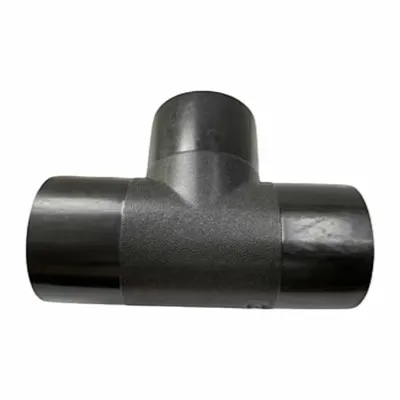
Understanding Electrofusion Fittings
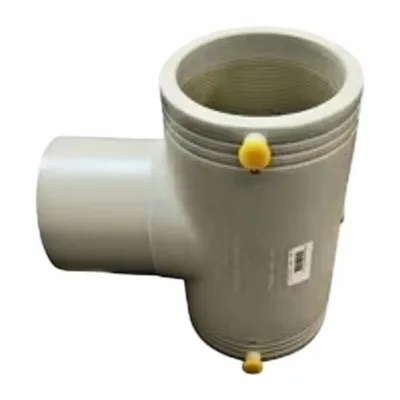
Before we assess their environmental impact, let’s first understand what electrofusion fittings are. Electrofusion fittings are used in the joining of plastic pipes, typically made of materials such as polyethylene (PE). They contain an embedded heating element, which, when an electric current is applied, melts the plastic of both the fitting and the pipe, creating a strong and permanent bond.
Material Sustainability
One of the primary factors in determining the environmental friendliness of electrofusion fittings is the material they are made from. Polyethylene, the most common material for these fittings, has several positive attributes from an environmental perspective.
Polyethylene is a recyclable material. At the end of their useful life, electrofusion fittings made of polyethylene can be collected and processed into new plastic products. Recycling polyethylene reduces the demand for virgin plastic production, which in turn conserves natural resources and energy. According to research by the American Chemistry Council, recycling one ton of plastic can save up to 7,200 kilowatt – hours of energy, which is a significant contribution to energy conservation.
Moreover, polyethylene has a relatively long lifespan. When used in piping systems, electrofusion – joined pipes can last for several decades without significant degradation. This long service life means that there is less need for frequent replacements, reducing the overall consumption of materials over time.
Energy Efficiency in Production
The production process of electrofusion fittings also plays a crucial role in their environmental impact. Modern manufacturing techniques have made the production of these fittings more energy – efficient.
Manufacturers are increasingly adopting advanced injection molding and extrusion processes that require less energy compared to traditional manufacturing methods. These processes are designed to optimize the use of raw materials, minimizing waste generation. For example, computer – controlled injection molding machines can precisely control the amount of plastic used, ensuring that only the necessary quantity is injected into the mold. This reduces the amount of excess plastic that would otherwise be discarded as waste.
In addition, many manufacturers are investing in renewable energy sources to power their production facilities. Solar panels, wind turbines, and other renewable energy technologies are being integrated into the manufacturing process, further reducing the carbon footprint associated with electrofusion fitting production.
Installation and Leakage Prevention
The installation process of electrofusion fittings offers significant environmental benefits, especially when compared to traditional pipe – joining methods.
Electrofusion joining is a relatively simple and quick process that does not require the use of solvents, adhesives, or other chemicals that can be harmful to the environment. These chemicals can release volatile organic compounds (VOCs) into the atmosphere during installation, contributing to air pollution. In contrast, electrofusion joining is a clean process that only involves the application of an electric current to melt the plastic, resulting in a seamless and environmentally friendly installation.
Furthermore, electrofusion – joined pipes have a very low risk of leakage. Leakage in piping systems can lead to the loss of valuable fluids, such as water or gas, and can also cause environmental contamination. For water pipes, leaks can result in the wastage of a precious resource, while gas leaks can release greenhouse gases into the atmosphere. The reliable and secure bond created by electrofusion fittings helps to prevent these issues, ensuring the efficient and environmentally responsible operation of piping systems.
End – of – Life Considerations
As mentioned earlier, the recyclability of electrofusion fittings is a significant advantage. However, the actual recycling process also needs to be considered.
In many regions, there are established recycling programs for plastic products, including polyethylene electrofusion fittings. These programs collect used fittings, sort them by material type, and then process them into recycled plastic pellets. These pellets can be used to manufacture new electrofusion fittings or other plastic products.
However, there are still challenges in the recycling process. One of the main issues is the collection and sorting of used fittings. Ensuring that all electrofusion fittings reach the recycling facilities can be difficult, especially in areas with limited recycling infrastructure. Additionally, the quality of recycled plastic can be affected by factors such as contamination and the degradation of the plastic during its service life.
Comparison with Alternative Fittings
To fully assess the environmental friendliness of electrofusion fittings, it is necessary to compare them with alternative pipe – joining methods and fittings.
Traditional metal fittings, such as those made of copper or steel, have a higher environmental impact in terms of raw material extraction and production. The mining and refining of metals require large amounts of energy and can cause significant environmental damage, such as deforestation, soil erosion, and water pollution. In addition, metal fittings are more prone to corrosion, which can lead to leaks and the need for frequent replacements.
Other plastic pipe – joining methods, such as solvent welding, also have their drawbacks. Solvent welding involves the use of chemicals that can be harmful to human health and the environment. These chemicals can release toxic fumes during the installation process and may also contaminate water sources if not properly disposed of.
Conclusion
In conclusion, electrofusion fittings offer several environmental benefits. Their use of recyclable polyethylene, energy – efficient production processes, clean installation methods, and ability to prevent leakage make them a relatively environmentally friendly choice for pipe – joining applications.
However, there is still room for improvement. The industry needs to continue to invest in research and development to further enhance the recyclability of electrofusion fittings and to address the challenges associated with the recycling process. Additionally, efforts should be made to increase awareness among consumers and installers about the environmental benefits of electrofusion fittings.
Butt Fusion Fittings If you are in the market for high – quality, environmentally friendly electrofusion fittings, I encourage you to reach out to us. Our team of experts can provide you with detailed information about our products and help you choose the right fittings for your specific needs. Let’s work together to make more sustainable choices in the piping industry.
References
- American Chemistry Council. (Year). Plastic Recycling Facts.
- Industry reports on the manufacturing of electrofusion fittings and their environmental impact.
Qingdao Polyfusion Machinery Co., Ltd.
As one of the most professional electrofusion fittings manufacturers and suppliers in China, we have world-leading production equipment and strong manufacturing capabilities. Please feel free to buy bulk high quality electrofusion fittings from our factory.
Address: Chengyang Industry Zone, Chengyang, Qingdao, Shandong, China
E-mail: export01@qdpolyfusion.com
WebSite: https://www.polyfusionfittings.com/
