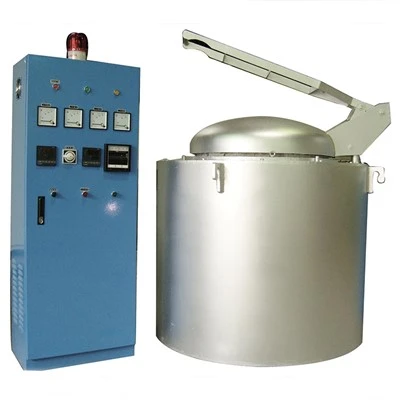
Preventing the leakage of fuel or gas in a Car – Bottom Forging Furnace is of utmost importance for both safety and efficiency. As a supplier of Car – Bottom Forging Furnaces, I have witnessed firsthand the challenges and risks associated with fuel and gas leaks. In this blog, I will share some practical tips and strategies to help you prevent such leaks in your forging furnace. Car-Bottom Forging Furnace
Understanding the Risks of Fuel and Gas Leaks
Fuel and gas leaks in a Car – Bottom Forging Furnace can lead to a variety of problems. Firstly, there is the obvious safety hazard. Flammable gases, if leaked, can form explosive mixtures in the air, posing a significant risk of fire and explosion. This not only endangers the lives of the operators but also the entire facility.
Secondly, leaks can result in significant energy losses. Forging furnaces consume a large amount of fuel or gas to maintain the high temperatures required for the forging process. Any leakage means that this valuable energy is being wasted, leading to increased operating costs.
Finally, gas leaks can also have environmental implications. Many of the fuels used in forging furnaces, such as natural gas, contain greenhouse gases. Leakage of these gases contributes to air pollution and climate change.
Regular Inspections
One of the most effective ways to prevent fuel or gas leaks is through regular inspections. A comprehensive inspection regime should be established and followed strictly.
- Visual Inspections: Conduct daily visual inspections of the entire furnace system. Look for signs of wear and tear, such as cracks, corrosion, or loose connections in the fuel or gas pipelines, valves, and fittings. These can be early indicators of potential leaks. For example, a small crack in a pipeline may start to emit gas slowly, and spotting it early can prevent a major leak.
- Pressure Tests: Periodically perform pressure tests on the fuel and gas systems. This can help detect even the smallest leaks that may not be visible during visual inspections. A pressure drop during a test indicates that there is a leak somewhere in the system. Advanced pressure – testing equipment can be used to accurately identify the location of the leak.
- Ultrasonic Leak Detection: Ultrasonic leak detection devices can be employed to find leaks in gas systems. These devices detect the high – frequency sound waves produced by escaping gas. They are particularly useful for detecting leaks in hard – to – reach areas or in systems where other detection methods may not be as effective.
Proper Installation
The installation of a Car – Bottom Forging Furnace is a critical step in preventing fuel or gas leaks. It is essential to ensure that all components are installed correctly and in accordance with the manufacturer’s specifications.
- Qualified Installers: Only hire qualified and experienced installers to set up the forging furnace. They should have a thorough understanding of the fuel and gas systems and be familiar with industry – standard installation practices.
- Correct Pipe Sizing and Fitting: Use the correct pipe sizes and fittings for the fuel and gas lines. Incorrect sizing can lead to increased pressure and stress on the pipes, which may cause leaks over time. All fittings should be properly tightened to ensure a secure seal.
- Ventilation Systems: Proper ventilation systems should be installed during the furnace installation. A well – designed ventilation system can help remove any leaked gas from the vicinity of the furnace, reducing the risk of explosion and minimizing the exposure of operators to harmful gases.
Maintenance and Repair
Regular maintenance is key to preventing fuel or gas leaks in a Car – Bottom Forging Furnace.
- Valve Maintenance: Valves are critical components in the fuel and gas systems. They should be inspected and maintained regularly. Check for proper operation, tight sealing, and signs of wear. Replace any worn – out valves promptly to prevent leaks.
- Seal Replacement: Seals are used to prevent gas from escaping at various points in the furnace system, such as around doors and hatches. These seals can deteriorate over time due to high temperatures and mechanical stress. Regularly inspect and replace seals as needed to maintain a good seal.
- Emergency Repair Plans: Have an emergency repair plan in place. In the event of a suspected leak, operators should know exactly what steps to take. This includes shutting off the fuel or gas supply, evacuating the area if necessary, and contacting a qualified technician immediately for repairs.
Operator Training
Well – trained operators are an important part of preventing fuel or gas leaks in a Car – Bottom Forging Furnace.
- Safety Training: Provide comprehensive safety training to all operators. They should be educated about the risks associated with fuel and gas leaks, how to detect the signs of a leak, and what actions to take in case of an emergency.
- Operating Procedures: Train operators on the correct operating procedures for the forging furnace. This includes proper startup and shutdown procedures, as well as the correct use of valves and other controls. Incorrect operation can put additional stress on the fuel and gas systems and increase the risk of leaks.
- Monitoring Skills: Teach operators how to monitor the fuel and gas systems during operation. They should be able to recognize abnormal readings on pressure gauges or other monitoring devices, which could indicate a leak.
Use of High – Quality Components
Using high – quality components in the Car – Bottom Forging Furnace can significantly reduce the risk of fuel or gas leaks.
- Fuel and Gas Pipes: Invest in high – quality pipes that are designed to withstand the high temperatures and pressures of the forging process. Stainless steel or other corrosion – resistant materials are often a good choice.
- Valves and Fittings: Opt for high – performance valves and fittings. These components should have a good reputation for reliability and tight sealing. Cheaper, low – quality components may fail prematurely, leading to leaks.
Monitoring and Control Systems
Install advanced monitoring and control systems in the forging furnace to detect and prevent fuel or gas leaks.
- Gas Detection Sensors: Equip the furnace area with gas detection sensors. These sensors can detect the presence of flammable gases in the air and trigger an alarm if the gas concentration reaches a dangerous level. This allows for prompt action to be taken to prevent an explosion.
- Automated Shut – off Systems: Implement automated shut – off systems that can immediately stop the flow of fuel or gas in case of a detected leak or other abnormal conditions. These systems can add an extra layer of safety to the furnace operation.
In conclusion, preventing fuel or gas leaks in a Car – Bottom Forging Furnace requires a comprehensive approach that includes regular inspections, proper installation, maintenance, operator training, the use of high – quality components, and the implementation of monitoring and control systems. By taking these steps, you can ensure the safety of your operators, reduce energy losses, and minimize the environmental impact of your forging operations.
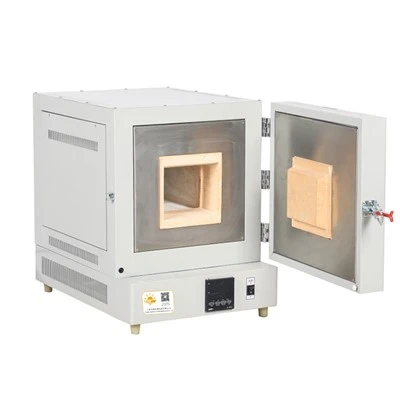
Gas Furnace If you are interested in purchasing a Car – Bottom Forging Furnace or need further advice on preventing fuel or gas leaks, please feel free to contact us for a detailed discussion. Our team of experts is ready to assist you in finding the best solutions for your forging needs.
References
- ASME Boiler and Pressure Vessel Code.
- NFPA 86 – Standard for Ovens and Furnaces.
- API (American Petroleum Institute) standards related to fuel and gas systems.
Danyang Dingfeng Industrial Furnace Co., Ltd.
Danyang Dingfeng Industrial Furnace Co., Ltd. is one of the most experienced car-bottom forging furnace manufacturers and suppliers in China, also supports customized service with low price. Please feel free to wholesale high quality car-bottom forging furnace made in China here from our factory. For pricelist, contact us now.
Address: Lizhuang Economic Development Zone, Danyang City
E-mail: saleszk@dffurnace.com
WebSite: https://www.dffurnace.com/
